Aland Johnson
Founder & Editor-in-Chief
Company / Organization
Workflow Tipster
Experience / Skills
Workflow automation patterns, integration design, webhook/API troubleshooting, data mapping and normalization, document generation and e-sign flows, operational checklists and playbooks for popular software.
About Aland Johnson
Aland Johnson is an Automation & RevOps Consultant and Technical Writer, and he serves as the Founder & Editor-in-Chief of Workflow Tipster (workflowtipster.top)—a resource for bite-sized workflow tips, tool guidance, and troubleshooting solutions for popular software used by modern teams. From 2008 to 2012, Aland developed his foundation in information systems and workplace productivity tools, focusing on how businesses operationalize data across CRM, project management, customer support, and marketing platforms. During this period, he began documenting repeatable processes, building simple integrations, and learning the practical constraints that shape automation outcomes—such as inconsistent field formats, user permissions, and data quality issues. In 2013, Aland moved into hands-on operational support roles where reliability and speed mattered daily. He supported teams working across cloud-based tools, addressing recurring problems like login failures, permission mismatches, missing required fields, and data sync inconsistencies. Between 2014 and 2016, he expanded into cross-application workflow design, connecting systems through APIs and webhooks and establishing a structured troubleshooting method: reproduce the failure, isolate the failing hop, validate credentials and scopes, inspect payload shape, confirm rate-limit behavior, and implement safe retries with logging. From 2017 to 2019, Aland specialized further in RevOps enablement—helping organizations map business requirements into automation-ready schemas and governance. This phase emphasized durable system design: clear ownership of fields and objects, consistent naming conventions, deduplication strategies, and measurable KPIs. In 2019, he earned the Salesforce Certified Administrator credential, reinforcing his expertise in CRM configuration, permissioning, reporting, and operational controls that keep automations stable as teams and pipelines evolve. In 2020, Aland broadened his marketing operations skill set by completing the HubSpot Marketing Software Certification, deepening his work in lifecycle stages, attribution, segmentation, and automated communications—areas where subtle property mapping and timing rules often cause downstream failures. Between 2021 and 2022, he concentrated on integration resilience at scale: reducing duplicates, adding idempotency safeguards, standardizing payload validation, and creating runbooks for incident response when webhooks fail or third-party APIs degrade. In 2023, Aland earned the Zapier Certified Expert credential and continued refining advanced automation patterns across multi-step workflows, conditional routing, and cross-tool data normalization. That same year, he formalized his editorial approach: every guide must be reproducible, version-aware, and supported by verification steps so readers can confirm success rather than “guess and hope.” Since 2024, Aland has been building Workflow Tipster as a practical knowledge base for operators, founders, and teams who need quick, reliable answers. His content emphasizes clarity and measurability—short, actionable tips when speed matters, and deeper troubleshooting playbooks when reliability is the priority. Aland’s guiding standard remains consistent: state the goal, show the exact steps, surface common failure modes, and include a prevention checklist so the workflow stays healthy after the fix.
Related topics
Latest posts by Aland Johnson


Automate Google Docs to Discord for Teams: Sync Document Updates (Not Manual Posting)
If your team lives in Discord but your work lives in Google Docs, the fastest way to stop missing changes is to automate Google Docs to Discord so document updates appear in the right channel the moment they matter. The goal is simple: replace “someone should post this” with a predictable, low-noise system that posts the right update to the right place.
Aland Johnson January 31, 2026 at 11:45 AM
Sync Google Docs to Datadog Incident Management for SRE Teams: Automate Runbooks Instead of Manual Copy-Paste
If you’re trying to connect Google Docs to Datadog, the simplest “right” answer is: yes—by treating Google Docs as your living incident documentation and pushing key updates into Datadog as events, incident timeline entries, links, and postmortem artifacts . ( docs.
Aland Johnson January 31, 2026 at 11:36 AM
Connect & Automate Google Docs to Kit (formerly ConvertKit) for Creators: No-Code Workflows, Triggers & Actions
If you want to connect Google Docs to Kit (formerly ConvertKit) without coding, the fastest path is a no-code automation workflow: choose one trigger, map a few fields, and let the tool run “trigger → action” for you—so docs and subscriber data stay aligned without manual copy-paste. ( make.
Aland Johnson January 31, 2026 at 11:24 AM
Embed, Not Copy-Paste: Step-by-Step Google Docs to Confluence Import & Sync Guide for Teams
STEP 1 — Title & outline analysis (Contextual Flow Content readiness) - Main keyword (keyword focus): google docs to confluence - Predicate (main verb/action): embed / import / sync - Relations Lexical used: Antonym — “Embed, Not Copy-Paste” (positions the preferred method against the common but problematic alternative) - Search intent type from outline: How-to (core), supported by Definition , Grouping , Comparison , and Boolean sub-questions - Primary intent: Import or embed Google Docs into Confluence step by step, preserving formatting and reducing friction - Secondary intent 1: Understand what “import vs embed vs sync” means so teams choose the right approach - Secondary intent 2: Compare methods (native import vs embed vs app sync) by criteria that matter (formatting, collaboration, maintenance) - Secondary intent 3: Solve permissions + troubleshooting issues (access errors, blank embeds, broken images/tables) You can move Google Docs to Confluence in a way that stays readable, searchable, and stable by choosing the right method—import for Confluence-native pages, embed for live viewing, or sync via an app for teams that want Drive as the source of truth. ( support.
Aland Johnson January 31, 2026 at 7:38 AMIntegrate (Connect) Google Docs to ClickUp: Step-by-Step Automation & Embedding Guide for Teams
If your team writes plans, specs, or meeting notes in Google Docs but executes work in ClickUp, the fastest way to reduce “lost context” is to integrate the two so every document has a clear owner, deadline, and next action. This guide shows exactly how to connect Google Docs to ClickUp, then choose the right method—linking, embedding, or automation—based on how your team actually works.
Aland Johnson January 31, 2026 at 7:28 AM
Automate Google Docs to Calendly Integration for Busy Teams: Connect Scheduling Docs Without Manual Copy-Paste
Manual copy-paste between scheduling tools and documents is slow because it forces you to re-enter the same booking details in multiple places, which creates errors, version confusion, and missed context—so the fastest fix is an automated Google Docs ↔ Calendly workflow that generates the right document the moment a meeting is booked. Next, the most valuable outcome for busy teams is not “a doc exists,” but “the doc is useful”: a meeting-prep or intake template that pulls the invitee’s answers, formats time zones correctly, routes the file to the right folder, and shares it with the right people.
Aland Johnson January 31, 2026 at 7:18 AM
Sync Google Docs with Box for Google Workspace (Not Manual Upload): Setup Guide for Teams & IT Admins
If your team is still downloading files from Google Docs, uploading them into Box, and hoping everyone edits the “right copy,” you can replace that manual routine with a Google Docs-to-Box workflow where documents are created, edited, and auto-saved directly in Box through Box for Google Workspace. If you’re deciding whether that “sync” approach is right for your environment, you also need a clear way to compare official editing-in-Box workflows with alternatives like Box Drive or a simple manual upload process, because each method behaves differently for collaboration, offline work, and governance.
Aland Johnson January 31, 2026 at 7:08 AM
Automate (Not Manual) Google Docs to Bitbucket Integration for Dev Teams: Sync Docs with Commits & Pull Requests
If your team writes specs, release notes, or runbooks in Google Docs, you can automate “google docs to bitbucket” so documentation stays as close to code as possible—without turning every update into a copy-paste chore. The practical goal is simple: keep authoritative docs synced into your Bitbucket repo (or linked to it) in a way that supports code review, CI checks, and predictable releases.
Aland Johnson January 31, 2026 at 6:58 AM
Automate Google Docs to Basecamp Integration (Sync, Not Manual Copy-Paste) for Project Managers & Remote Teams
Automating a Google Docs → Basecamp integration is the fastest way to keep project information synced without retyping updates, hunting for the latest link, or duplicating the same message across tools. Instead of manual copy-paste, you build a repeatable workflow that turns document events into Basecamp actions your team can actually use.
Aland Johnson January 31, 2026 at 3:36 AM
Connect (Sync) Google Docs to Asana: Automate Smart-Chip Task Updates for Busy Teams
If you’re moving information from a document into project work, syncing Google Docs to Asana usually means one thing: you want a reliable way to turn writing into execution without losing context, links, or ownership. Most teams get there by combining two layers: in-Doc context (so people can see the work while they read ) and in-Asana structure (so tasks, assignees, and due dates stay actionable).
Aland Johnson January 31, 2026 at 3:25 AM
Automate Google Docs → Airtable Workflows for Teams: Sync Links, Templates & PDF Attachments (Manual vs Automated)
If you want a reliable Google Docs → Airtable workflow, automation is the shortest path to consistency: you generate a document from a record, write the Doc link back to the right row, and (when needed) export a PDF that anyone can open without guessing permissions. ( support.
Aland Johnson January 31, 2026 at 3:12 AM
Connect & Sync Google Docs to Aha! via Google Drive for Product Teams: No-Code Automation Guide (Integrate, Not Manual Updates)
If you want a reliable google docs to aha workflow, the simplest path is to connect Google Drive to Aha! so your team can attach Docs to product records and always open the current version from the roadmap context.
Aland Johnson January 31, 2026 at 3:00 AM
Automate Google Docs to ActiveCampaign: Sync Documents for Marketers (No-Code vs API)
If your team lives in Google Docs but runs email marketing and lead nurturing in ActiveCampaign, the fastest win is to automate Google Docs to ActiveCampaign so documents, contact fields, and campaign triggers stay aligned without manual copy-paste. Next, you’ll want to choose a setup that fits your real workflow: are you creating proposals and briefs in Docs from CRM events, pushing form-filled doc data back into contact records, or generating follow-up emails when a doc is finalized?
Aland Johnson January 31, 2026 at 2:42 AM
Automate Zoom Scheduling: Add Zoom to Google Calendar for Teams (No Manual Links)
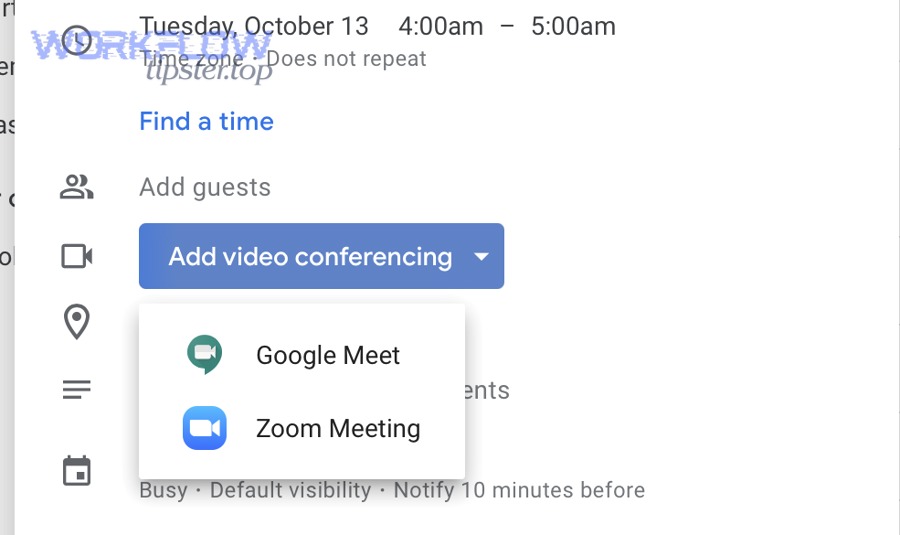
If your team schedules meetings in Google Calendar but hosts them in Zoom, the fastest way to eliminate copy-paste is to connect the official integration so a Zoom Meeting is created from the calendar event and the join details appear automatically—link, ID, passcode, and dial-in (when enabled). ( support.
Aland Johnson January 31, 2026 at 2:30 AM
Automate No-Code Lead Capture: Connect Google Forms → HubSpot → Notion → Google Chat Alerts (Not Manual Entry) for Marketing Ops
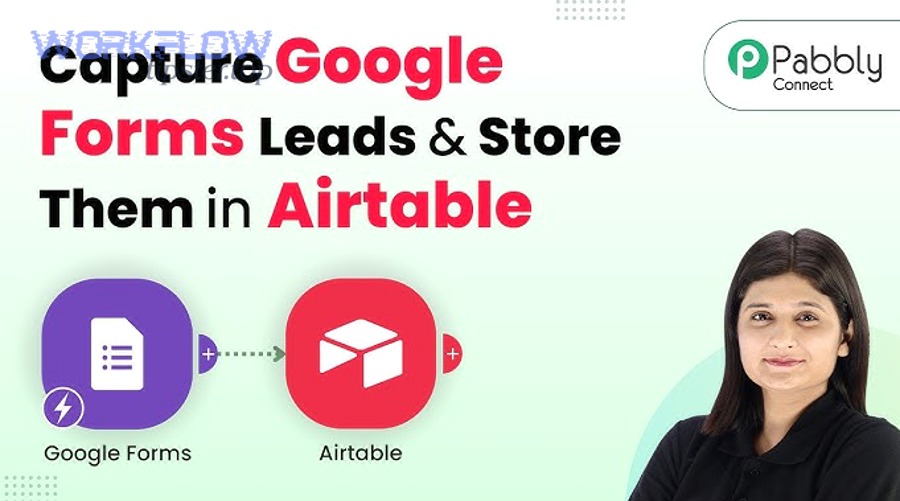
A Google Forms → HubSpot → Notion → Google Chat lead capture workflow is the most practical way to turn form submissions into CRM-ready leads, an organized sales/marketing inbox, and instant team visibility—without relying on spreadsheets or manual copy-paste. When you automate the chain, you reduce response time, preserve context, and keep every lead traceable from the first click to the first follow-up.
Aland Johnson February 7, 2026 at 1:45 PM
Automate Lead Capture (Not Manual Copy-Paste): Google Forms → HubSpot → Notion → Discord Workflow for Marketing & Sales Teams
STEP 1 — Title & outline analysis (for semantic alignment) - Main keyword (focus): google forms to hubspot to notion to discord lead capture - Predicate (main action): Automate - Relations Lexical used: Antonym (“Not Manual Copy-Paste”) - Search intent type (from outline): How-to (dominant) + Definition + Boolean + Grouping + Comparison - Primary intent: Build the end-to-end workflow (Forms → HubSpot → Notion → Discord) that captures leads reliably. - Secondary intent 1: Decide how to represent leads in HubSpot (Contact vs Company vs Deal) and avoid duplicates.
Aland Johnson February 7, 2026 at 1:36 PM
Automate (No-Code) Lead Capture: Google Forms → HubSpot → Google Sheets → Slack Alerts for Marketing & RevOps Teams (Stop Manual Entry → Automated Routing)
Every lead capture system has one job: turn a new form submission into a tracked CRM record and a fast human response —without dropping details, duplicating contacts, or forcing someone to copy/paste data. This guide shows exactly how to automate Google Forms → HubSpot → Google Sheets → Slack so your team stops manual entry and starts automated routing.
Aland Johnson February 7, 2026 at 1:26 PM
Automate Lead Intake (Lead Capture): Set Up Google Forms → HubSpot → Google Sheets → Microsoft Teams for Marketing & Sales Teams
Capturing leads from Google Forms and moving them into HubSpot, logging them in Google Sheets, and notifying Microsoft Teams is best done with a single, end-to-end automation workflow that standardizes fields, prevents duplicates, and alerts the right people in real time so no submission gets lost. To make that workflow practical, you also need to decide how you’ll build it—whether you’ll use an automation platform like Zapier, Make, or n8n, or rely on native connectors—because the tool you pick changes your options for routing, retries, and maintenance.
Aland Johnson February 7, 2026 at 1:18 PM
Automate Lead Capture (Lead Intake) Workflow: Google Forms → HubSpot → Google Sheets → Google Chat Alerts for Marketing & Sales Teams
A Google Forms → HubSpot → Google Sheets → Google Chat lead capture workflow automates the full journey from a form submission to a CRM contact, a clean spreadsheet log, and an instant team alert—so marketing and sales can respond fast, consistently, and with the same lead context every time. Next, you’ll see how to decide whether you need an automation tool (or can rely on native integrations), because the right setup depends on your required steps—especially when Google Chat alerts, deduplication, and routing logic are non-negotiable.
Aland Johnson February 7, 2026 at 1:08 PM
Automate Lead Capture: Google Forms → HubSpot → Google Sheets → Discord for Marketing Teams (Stop Manual Entry)
If your marketing team is still copying form submissions into a CRM, you can automate lead capture by turning every Google Forms response into a HubSpot contact, logging the submission in Google Sheets, and sending an instant Discord alert—so leads get handled fast and nothing slips through. Beyond the core setup, most teams also need to choose the right tool path (native HubSpot features vs Zapier/Make vs n8n) based on budget, data volume, and how much control they want over logic like “create vs update contact.
Aland Johnson February 7, 2026 at 12:57 PM
Automate Lead Generation (Lead Capture) with Google Forms → HubSpot → Airtable → Slack for Marketing & Sales Ops
Capturing leads is easy; capturing clean, actionable leads that instantly reach the right people is the hard part. This guide shows how to automate lead capture so every Google Forms submission becomes a properly created or updated HubSpot contact, is stored as a trackable Airtable record, and triggers a timely Slack alert that your team can act on.
Aland Johnson February 7, 2026 at 12:37 PM
Automate Lead Capture: Connect Google Forms to HubSpot → Airtable with Microsoft Teams Alerts (Lead Collection Workflow for Marketing & Sales Ops)
Capturing leads is only valuable when the right people can act on them fast, so this guide shows you how to automate lead capture end-to-end: a Google Forms submission becomes a HubSpot record, an Airtable log entry, and a Microsoft Teams alert the moment the form is submitted. Next, you’ll learn how to shape your Google Forms data so it maps cleanly into HubSpot properties and Airtable fields, which prevents messy records and reduces lead leakage caused by broken or incomplete field mapping.
Aland Johnson February 7, 2026 at 12:28 PM
Automate (Not Manual) Lead Capture: Google Forms → HubSpot → Airtable → Google Chat Alerts for Marketing Ops Teams
You can automate lead capture across Google Forms, HubSpot, Airtable, and Google Chat by treating each form submission as a single “lead event” that gets created/updated in HubSpot , logged in Airtable , and announced instantly in a Google Chat space —so your team responds faster without copy-pasting. Next, you’ll want to confirm whether you actually need an automation layer (you usually do), because the quality of your workflow depends on reliable triggers, authentication, and supported actions across all four apps.
Aland Johnson February 7, 2026 at 12:19 PM
Automate (Not Manual) Lead Capture: Google Forms → HubSpot → Airtable → Discord for Marketing & Sales Teams
You can automate lead capture (instead of manually copying and pasting) by turning every Google Forms submission into a structured HubSpot contact update, an Airtable record for tracking, and a Discord alert that prompts fast follow-up—without breaking attribution or creating duplicates. Then, you’ll want a clear setup path for each hop—Google Forms → HubSpot, HubSpot → Airtable, and Airtable/HubSpot → Discord—so the workflow stays reliable when real leads arrive, not just during tests.
Aland Johnson February 7, 2026 at 12:11 PM
Automate GitLab → Asana → Slack DevOps Alerts: Set Up Issue-to-Task Notifications for DevOps Teams (Alerts = Notifications)
A GitLab → Asana → Slack DevOps alerts workflow is the most reliable way to turn “something broke” signals (pipelines, merge requests, deployments) into owned work (Asana tasks) and actionable communication (Slack alerts) so incidents don’t die in chat. Then, the best setup depends on how much control you need: some teams want the simplest path (native notifications), while others need routing by environment, severity, and service—so your workflow stays fast without becoming noise .
Aland Johnson February 7, 2026 at 12:03 PM
Set Up GitHub → Trello → Slack DevOps Alerts (Notifications) for DevOps Teams: A Step-by-Step Workflow
To set up GitHub → Trello → Slack DevOps alerts, you build a simple pipeline: GitHub events (like PRs, releases, and failed CI) create or update Trello cards, then Slack posts clear notifications to the right channel so your team can triage and act fast. Then, to make the workflow actually usable in a DevOps environment, you decide which GitHub events matter, what each alert must contain, and how Trello should represent work (board/list/labels/checklists) so updates stay structured instead of chaotic.
Aland Johnson February 7, 2026 at 11:54 AM
Set Up Automated DevOps Alerts (Notifications) from GitHub to Trello to Microsoft Teams for Engineering Teams — Without Manual Triage
Automating DevOps alerts from GitHub to Trello to Microsoft Teams means you turn engineering signals (like workflow failures, PR changes, and release events) into structured Trello work items and actionable Teams messages—so the right people see the right alert, with an owner and next step, the moment it happens. Then, you need to decide whether to build this pipeline with native integrations (GitHub for Teams, Trello Power-Ups, Teams connectors) or to use a workflow layer (webhooks/automation tooling) that can add routing rules, deduplication, retries, and message formatting so the system stays reliable at scale.
Aland Johnson February 7, 2026 at 11:45 AM
Automate DevOps Alerts (Notifications) + Set Up GitHub → Trello → Google Chat Workflow + for SRE & DevOps Teams
A GitHub → Trello → Google Chat DevOps alerts workflow is the fastest way to turn raw engineering events (failed CI, risky PRs, urgent issues) into owned work in Trello and real-time visibility in a Google Chat space—so your team responds consistently instead of reacting randomly. This guide also shows how to choose the right GitHub events (high signal, low noise) and map them into Trello cards that reflect severity, ownership, and incident status—so alerts become actionable tasks instead of endless pings.
Aland Johnson February 7, 2026 at 11:35 AM
Set Up GitHub → Trello → Discord DevOps Notifications: Step-by-Step Alerts Workflow for DevOps Teams
You can set up GitHub → Trello → Discord DevOps notifications by choosing the right GitHub events, mapping them into actionable Trello cards, and posting concise Discord alerts that your team can reliably triage without drowning in noise. Next, you’ll learn which GitHub events count as “DevOps alerts” (and which are just chatter), so your workflow stays focused on failures, risk, and change events that require action.
Aland Johnson February 7, 2026 at 11:25 AM
Automate GitHub DevOps Alerts (Notifications) to monday.com → Slack for Engineering Teams
Automating GitHub DevOps alerts to monday.com and Slack means you turn critical repo and CI/CD events into structured work items and real-time team notifications—so engineers see failures, risks, and approvals quickly, and the team responds with clear ownership and tracking.
Aland Johnson February 7, 2026 at 11:16 AM
Set Up GitHub → monday.com → Microsoft Teams DevOps Alerts (Notifications) for Engineering Teams — Issues, PRs, and Build Status
If you want DevOps alerts that your team actually acts on, the most effective pattern is a three-step pipeline: GitHub generates the signal , monday.com turns it into assigned work , and Microsoft Teams delivers the notification in the right channel with a clear call to action .
Aland Johnson February 7, 2026 at 11:07 AM
Automate DevOps Notifications (Alerts) from GitHub to monday.com to Google Chat for Engineering Teams
If you want engineering teams to react faster, the most reliable pattern is simple: capture the signal where it happens (GitHub), convert it into ownership (monday.com), and deliver it as a clear alert (Google Chat).
Aland Johnson February 7, 2026 at 10:56 AM
Automate Real-Time DevOps Alerts (Notifications): GitHub → monday.com → Discord Setup Guide for Engineering Teams
When you automate real-time DevOps alerts (notifications) from GitHub into monday.com and Discord, you turn “something happened in code” into “the team sees it immediately and a task exists to act on it.
Aland Johnson February 7, 2026 at 10:47 AM
Set Up Noise-Free GitHub → Linear → Slack DevOps Alerts for DevOps Teams (PRs, Issues & Actions Notifications)
To set up noise-free GitHub → Linear → Slack DevOps alerts, you need one clear pipeline: define which GitHub events matter, route them to the right Slack channels for awareness, and escalate only actionable signals into Linear so work gets tracked and resolved. Next, you’ll decide whether you truly need both Slack and Linear, because “where an alert lands” determines whether it becomes a quick heads-up, an on-call interruption, or a traceable work item with ownership and priority.
Aland Johnson February 7, 2026 at 10:38 AM
Set Up GitHub → Linear → Microsoft Teams DevOps Alerts (Notifications) for Engineering & DevOps Teams
If you want faster incident awareness without living in dashboards, the most practical approach is to route the right GitHub signals into Microsoft Teams—then connect them to trackable work in Linear so every alert has an owner, a link, and a next step. GitHub already supports first-party notification experiences in Teams to keep repo activity visible where teams collaborate.
Aland Johnson February 4, 2026 at 7:56 PM
Automate DevOps Notifications: GitHub → Linear → Google Chat Alerts (Not Email) for Engineering Teams
Automating DevOps notifications from GitHub to Linear to Google Chat is the fastest way to turn raw engineering events into team-visible, actionable alerts—without the slow, fragmented loop of inbox-based updates. The core goal is simple: capture the right signals, enrich them with context, and deliver them to the right Chat space at the right time .
Aland Johnson February 4, 2026 at 7:43 PM
Set Up Automated DevOps Alerts (Notifications) from GitHub → Linear → Discord for Engineering Teams
If you want DevOps alerts that people actually act on, the fastest path is to wire GitHub events (PRs, checks, deployments) into Linear context (the work item and owner), then publish high-signal Discord notifications to the right channel—so every alert has a next action, not just noise. Next, you’ll learn what “GitHub → Linear → Discord DevOps alerts” means operationally, which events matter, and how to keep PRs, commits, and incidents tied to the correct Linear issue so the team can triage in minutes, not hours.
Aland Johnson February 4, 2026 at 7:29 PM
Automate DevOps Notifications (Alerts) from GitHub to Jira to Slack for Engineering & DevOps Teams
If you want DevOps notifications to be useful (not noisy), you should automate a clear chain: GitHub events → Jira issue context → Slack alerts so engineers see what changed, why it matters, and what to do next —without leaving their workflow. Next, you’ll also need to choose an implementation path that fits your team’s reality: a lightweight approach (native automations) for speed, or a customizable approach (actions/webhooks/middleware) for control and scale.
Aland Johnson February 4, 2026 at 7:15 PM
Automate GitHub → Jira → Microsoft Teams DevOps Alerts (Notifications) for Engineering Teams
Automating GitHub → Jira → Microsoft Teams DevOps alerts means you turn developer activity (like PR merges, failed CI runs, or releases) into trackable Jira work—and then surface the right notification in the right Teams channel so engineers act fast with full context. Next, the most reliable implementations start by choosing high-signal GitHub triggers, mapping them cleanly to Jira issue fields, and formatting Teams messages so they remain actionable instead of noisy, because a notification that can’t be triaged quickly becomes a distraction.
Aland Johnson February 4, 2026 at 7:02 PM
Set Up GitHub → Jira → Google Chat DevOps Alerts: A Step-by-Step Notifications Guide for On-Call Teams
When you set up GitHub → Jira → Google Chat DevOps alerts , you turn raw engineering signals (commits, PRs, deployments, incidents) into actionable notifications that create or update Jira issues and immediately inform the right responders in Google Chat—without drowning your team in noise. Next, this guide explains what a good end-to-end alert workflow looks like, which GitHub events are worth alerting on, and how to structure Jira tickets so Chat messages carry enough context to drive fast triage instead of guesswork.
Aland Johnson February 4, 2026 at 6:48 PM
Automate GitHub → Jira → Discord DevOps Alerts (Notifications): Real-Time Issue Updates for DevOps Teams
You can automate GitHub → Jira → Discord DevOps alerts by turning GitHub events (issues, pull requests, CI failures, releases) into Jira work item creation/updates and posting real-time Discord notifications that route the right signal to the right team at the right time. The goal is simple: fewer missed incidents, faster triage, and traceable work that actually closes.
Aland Johnson February 4, 2026 at 6:36 PM
Automate GitHub → ClickUp → Slack Notifications for DevOps Teams: Real-Time Issue & PR Alerts (Not Just Emails)
Real-time GitHub → ClickUp → Slack DevOps alerts work best when you treat them as one workflow: GitHub creates the signal, ClickUp captures the accountable work, and Slack delivers the immediate notification so the right people act quickly instead of discovering problems late. Next, you’ll see how to define the workflow clearly so everyone shares the same expectations: what becomes a ClickUp task, what stays as a Slack message, and how Issues and PRs flow through triage without becoming channel spam.
Aland Johnson February 4, 2026 at 6:22 PM
Set Up Automated CI/CD Notifications: GitHub → ClickUp → Microsoft Teams DevOps Alerts for DevOps Teams
If you want reliable DevOps visibility without living in five dashboards, the most practical approach is to route GitHub signals (PRs, issues, CI/CD runs) into ClickUp (work tracking) and Microsoft Teams (team-wide alerts) using a simple, repeatable automation workflow. Next, you also need to choose how to build it—native integrations, GitHub Actions, or an automation platform—because each option changes how much control you have over routing, formatting, and long-term maintenance.
Aland Johnson February 4, 2026 at 6:07 PM
Automate DevOps Notifications (Alerts) from GitHub → ClickUp → Google Chat for Engineering Teams
You can automate DevOps notifications (alerts) from GitHub to ClickUp and Google Chat by selecting high-signal GitHub events, mapping them into actionable ClickUp tasks, and routing concise messages into the right Google Chat spaces so engineers act fast instead of scrolling noise. Next, you’ll decide which events deserve “alert status” (like failed CI on main or a security issue) and which should be summarized, because a working alert workflow is defined as much by what it doesn’t send as by what it sends.
Aland Johnson February 4, 2026 at 5:54 PM
Set Up GitHub → ClickUp → Discord DevOps Alerts for Engineering Teams: Automated Notifications (Alerts) with Webhooks & Workflows
If you want DevOps alerts that actually get acted on, the fastest path is to turn high-signal GitHub events into two outcomes: a trackable ClickUp task and a timely Discord notification —so the team can see the issue, own it, and close the loop without losing context. Next, you’ll need to choose which GitHub events count as “alerts” (CI failures, deployments, security advisories, PR status changes) and decide how each event should map to ClickUp fields like priority, assignee, and status , so work doesn’t stall in a chat message.
Aland Johnson February 4, 2026 at 5:41 PM
Set Up CI/CD Notifications: GitHub → Basecamp → Slack DevOps Alerts for Engineering Teams (Signal vs Noise)
Modern engineering teams don’t struggle because they lack alerts—they struggle because alerts arrive in the wrong place, without ownership, and with too much noise. This guide shows you how to set up a GitHub → Basecamp → Slack workflow that turns CI/CD events into clear, actionable DevOps alerts that your team can actually use.
Aland Johnson February 4, 2026 at 5:29 PM
Set Up GitHub DevOps Notifications to Microsoft Teams (and Basecamp) for Engineering Teams — Alerts vs. Updates
If you want GitHub DevOps notifications to land in Microsoft Teams (and optionally create follow-up work in Basecamp), the most reliable approach is to design the pipeline around two message types— alerts and updates —then connect the right GitHub events to the right Teams channels with clear routing rules and a lightweight test plan. You’ll also get better results if you treat this as an operating system for your team’s attention: choose the integration method (native Teams app, GitHub Actions + webhook, or automation workflows) based on how much control you need over formatting, filtering, and governance.
Aland Johnson February 4, 2026 at 5:17 PM
Set Up DevOps Alerts: GitHub → Basecamp → Google Chat Notifications for Engineering Teams (Webhooks vs No-Code)
If you want GitHub activity to turn into actionable DevOps alerts inside Google Chat , the most reliable path is to treat it like a pipeline: event → filter → enrich in Basecamp → deliver to a Chat space with clear ownership and next steps. This article shows how to build that pipeline so your team gets fewer pings—but responds faster.
Aland Johnson February 4, 2026 at 5:06 PM
Set Up GitHub → Basecamp → Discord DevOps Alerts for Engineering Teams (Notifications vs Webhooks)
If you want DevOps alerts to actually change outcomes, you need a workflow that turns GitHub signals into two things at the same time: structured coordination in Basecamp and fast visibility in Discord. This guide shows how to set up GitHub → Basecamp → Discord alerts so engineers see what matters, act quickly, and keep the work documented.
Aland Johnson February 4, 2026 at 4:54 PM