Aland Johnson
Founder & Editor-in-Chief
Company / Organization
Workflow Tipster
Experience / Skills
Workflow automation patterns, integration design, webhook/API troubleshooting, data mapping and normalization, document generation and e-sign flows, operational checklists and playbooks for popular software.
About Aland Johnson
Aland Johnson is an Automation & RevOps Consultant and Technical Writer, and he serves as the Founder & Editor-in-Chief of Workflow Tipster (workflowtipster.top)—a resource for bite-sized workflow tips, tool guidance, and troubleshooting solutions for popular software used by modern teams. From 2008 to 2012, Aland developed his foundation in information systems and workplace productivity tools, focusing on how businesses operationalize data across CRM, project management, customer support, and marketing platforms. During this period, he began documenting repeatable processes, building simple integrations, and learning the practical constraints that shape automation outcomes—such as inconsistent field formats, user permissions, and data quality issues. In 2013, Aland moved into hands-on operational support roles where reliability and speed mattered daily. He supported teams working across cloud-based tools, addressing recurring problems like login failures, permission mismatches, missing required fields, and data sync inconsistencies. Between 2014 and 2016, he expanded into cross-application workflow design, connecting systems through APIs and webhooks and establishing a structured troubleshooting method: reproduce the failure, isolate the failing hop, validate credentials and scopes, inspect payload shape, confirm rate-limit behavior, and implement safe retries with logging. From 2017 to 2019, Aland specialized further in RevOps enablement—helping organizations map business requirements into automation-ready schemas and governance. This phase emphasized durable system design: clear ownership of fields and objects, consistent naming conventions, deduplication strategies, and measurable KPIs. In 2019, he earned the Salesforce Certified Administrator credential, reinforcing his expertise in CRM configuration, permissioning, reporting, and operational controls that keep automations stable as teams and pipelines evolve. In 2020, Aland broadened his marketing operations skill set by completing the HubSpot Marketing Software Certification, deepening his work in lifecycle stages, attribution, segmentation, and automated communications—areas where subtle property mapping and timing rules often cause downstream failures. Between 2021 and 2022, he concentrated on integration resilience at scale: reducing duplicates, adding idempotency safeguards, standardizing payload validation, and creating runbooks for incident response when webhooks fail or third-party APIs degrade. In 2023, Aland earned the Zapier Certified Expert credential and continued refining advanced automation patterns across multi-step workflows, conditional routing, and cross-tool data normalization. That same year, he formalized his editorial approach: every guide must be reproducible, version-aware, and supported by verification steps so readers can confirm success rather than “guess and hope.” Since 2024, Aland has been building Workflow Tipster as a practical knowledge base for operators, founders, and teams who need quick, reliable answers. His content emphasizes clarity and measurability—short, actionable tips when speed matters, and deeper troubleshooting playbooks when reliability is the priority. Aland’s guiding standard remains consistent: state the goal, show the exact steps, surface common failure modes, and include a prevention checklist so the workflow stays healthy after the fix.
Related topics
Latest posts by Aland Johnson


Sync Airtable to Microsoft SharePoint for Teams: An Integration Guide (Sync vs Integrate)
Title & outline analysis: Main keyword focus: airtable to microsoft sharepoint . Predicate (main action): Sync .
Aland Johnson January 28, 2026 at 7:05 AM
Integrate & Sync Airtable to Microsoft OneNote for No-Code Teams: Automate Records → Notes
Integrating and syncing Airtable to Microsoft OneNote means you automatically turn structured Airtable records into organized OneNote pages, so your team stops copy-pasting details and starts capturing decisions, updates, and documentation in one consistent place. Next, you’ll also want to know what a “Records → Notes” workflow really includes—what “sync” means in practice, where the OneNote page is created (notebook → section → page), and which Airtable fields should become the OneNote title and body.
Aland Johnson January 28, 2026 at 6:53 AM
Export (Download) & Sync Airtable to Microsoft Excel for Teams: CSV/XLSX Methods + Automations
Exporting Airtable to Microsoft Excel is straightforward: create the right Airtable view, download it as a CSV (or XLSX when available), then import it into Excel using the correct data-type settings so your dates, IDs, and formatting don’t break. Next, if your team needs the Excel file to stay current (not just a one-time snapshot), you should choose a repeatable refresh method—either scheduled exports or an automation workflow—so Excel reflects changes without manual rework every week.
Aland Johnson January 28, 2026 at 6:41 AM
Sync (Integrate) Airtable to Mailchimp for Email Marketers — Automate Audience & Subscriber Updates
You can sync Airtable to Mailchimp by treating Airtable as your structured “subscriber-ready” database and pushing clean, consented records into a Mailchimp Audience with consistent field mapping, tags, and rules that prevent duplicates and accidental sends. Then, you should build the integration around what “subscriber updates” really mean for your team: creating new contacts, updating merge fields, applying tags for lifecycle stages, and routing people into the right audience, segment, or automation entry point.
Aland Johnson January 28, 2026 at 6:30 AM
Add & Preview Loom Videos in Airtable for Teams: Loom Extension Setup (Airtable Extensions Guide)
Airtable to Loom is best handled by installing the Loom Extension in your base so your team can click a Loom URL inside a record and watch the video preview right inside Airtable , without switching tabs. That single behavior turns video updates into structured, searchable workflow data.
Aland Johnson January 28, 2026 at 6:18 AM
Connect & Sync Airtable to Linear Issues for Product Teams (No-Code Integration Guide)
To connect and sync Airtable to Linear issues, set up an automation that turns a qualifying Airtable record into a Linear issue, then writes the Linear issue ID/link back into Airtable so future updates can stay aligned across both tools. Next, you’ll make the integration reliable by defining what “sync” means for your team (one-way vs two-way), choosing which fields are owned by Airtable vs owned by Linear, and mapping statuses so intake stays clean while execution stays accurate.
Aland Johnson January 28, 2026 at 6:07 AM
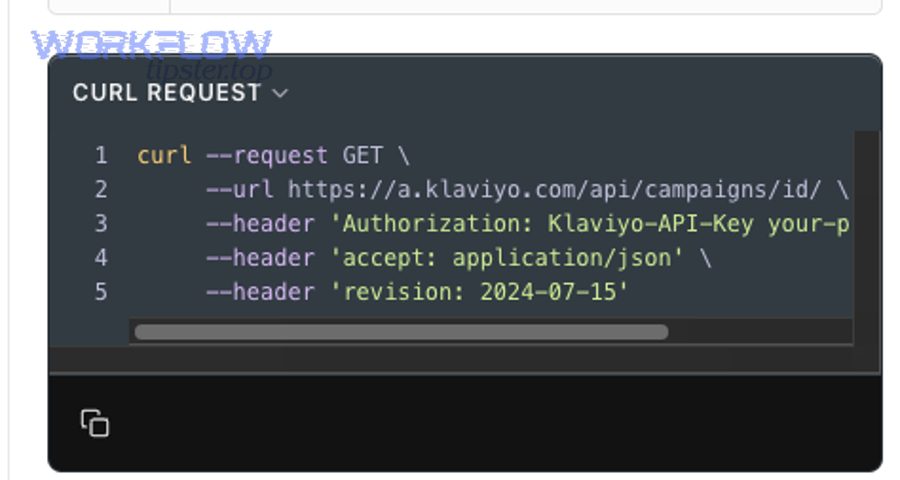
Connect & Sync Airtable to Klaviyo for Ecommerce Marketers: Triggers, Actions & No-Code Automation
You can connect and sync Airtable to Klaviyo by using a workflow tool (no-code or low-code) that listens for Airtable record changes and then updates Klaviyo profiles, lists, or events—so your email/SMS marketing reacts automatically to real customer data. Next, you’ll want to choose an integration approach that matches your needs: a quick no-code connector is ideal for standard “record → profile/list” automation, while a more configurable workflow/ETL approach is better for high volume, complex branching, or strict deduplication rules.
Aland Johnson January 28, 2026 at 5:56 AM
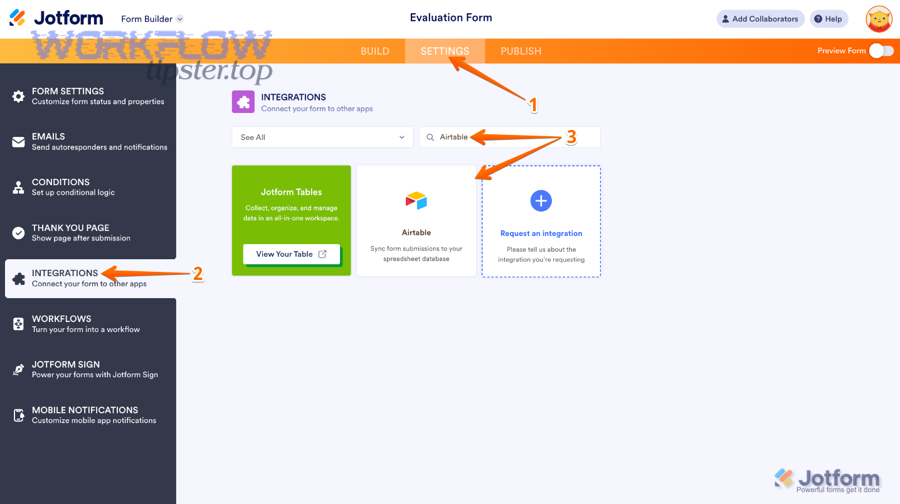
Connect Airtable to Jotform for Teams: No-Code Sync (Integration) Setup + Field Mapping Guide
To connect Airtable to Jotform for a team, you set up a no-code integration that sends every Jotform submission into the right Airtable table as a clean, searchable record—so your workflow runs on reliable data instead of manual copy-paste. Next, you’ll choose the right “sync method” for your situation—either a direct/native-style connection or a no-code automation tool—based on whether you need simple record creation, updates, multi-step workflows, or governance across teammates.
Aland Johnson January 28, 2026 at 5:44 AM
Connect Airtable to Jira: Two-Way Sync Integration Guide for Product & Engineering Teams (Sync = Integration)
Connecting Airtable to Jira is the fastest way to keep product plans, customer insights, and engineering execution aligned—without duplicating work in two places. The most “correct” setup depends on whether you need a one-way view (Jira → Airtable) or a true two-way sync (Airtable ↔ Jira) that writes updates back to Jira.
Aland Johnson January 28, 2026 at 5:30 AM
Connect Airtable to Intercom: How to Automate Two-Way Customer Data Sync for Support Teams (Sync vs Manual Updates)
If you want a reliable Airtable to Intercom integration, the simplest path is to automate a two-way sync where Airtable becomes your operational “source of truth” for structured fields, while Intercom stays the system of record for conversations, messaging, and customer engagement. That shift replaces manual copy-paste with repeatable, auditable workflows.
Aland Johnson January 28, 2026 at 5:17 AM
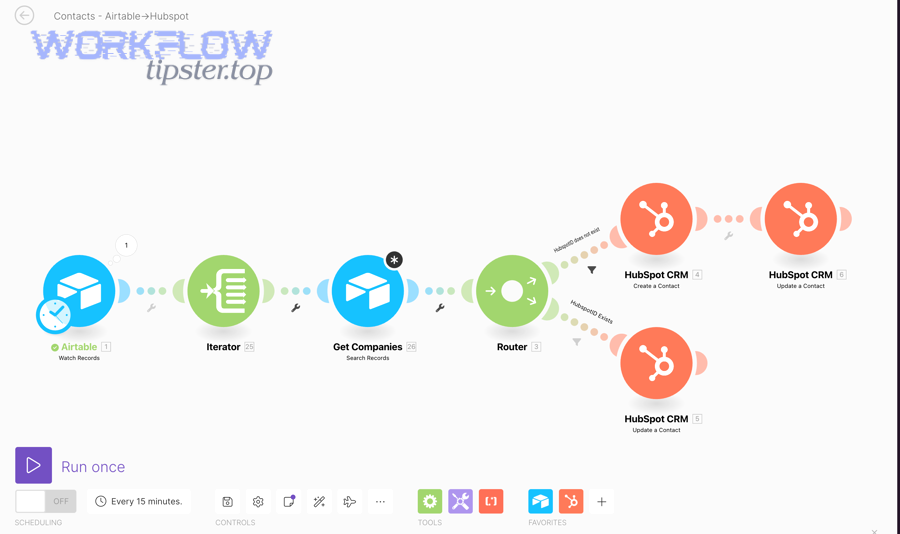
Sync (Integrate) Airtable to HubSpot for RevOps Teams: Two-Way CRM Data Sync Guide
To sync Airtable to HubSpot successfully, you need a two-way data model, a clear record-matching key, and governance rules that prevent duplicates and update conflicts—so your CRM stays reliable while your Airtable workflows stay fast and flexible. Then, you should choose the integration method that matches your RevOps reality: native data sync and workflow actions for simple cases, automation platforms for event-driven workflows, or dedicated two-way sync tools for ongoing, high-volume operational reliability.
Aland Johnson January 28, 2026 at 5:00 AM
Sync Help Scout Tickets to Airtable for Support Teams : A Step-by-Step Automation Guide
Syncing Help Scout to Airtable works best when you treat a “ticket” as a set of parts : the conversation, customer, threads, tags, status, mailbox, and timestamps—then map those parts into a clean Airtable base that supports triage, reporting, and automation without duplicating messy data. Many teams start with a simple goal—“get tickets into a table”—but quickly need reliable field mapping, deduping, and update logic so Airtable becomes a real operational layer (not a stale export).
Aland Johnson January 28, 2026 at 4:42 AM
Connect (Integrate) Airtable to Harvest: Automate Time Tracking Sync for Agencies & Project Teams
Connecting Airtable to Harvest is the most practical way to automate time tracking sync—so your projects, clients, team members, and time entries stay consistent without repetitive manual updates across tools. Next, you’ll want to choose the right integration approach (no-code connector vs API) and the right platform (Zapier, Make, n8n, or a sync tool) based on how complex your workflow is and how much data you move.
Aland Johnson January 28, 2026 at 4:28 AM
Automate Airtable to Google Slides Integration for No-Code Teams: Template-Based Slide Deck Generation (Integration = Automation)
To automate Airtable to Google Slides, you set a clear trigger in Airtable, duplicate a Google Slides template, replace placeholders with Airtable fields, and save the final deck link back to Airtable so your team can generate consistent presentations without manual copy-paste. Next, you’ll choose the right no-code route—typically Zapier or Make—based on how complex your workflow is, how many decks you generate, and how much control you need over formatting, branching, and error handling.
Aland Johnson January 28, 2026 at 4:13 AM
Sync Airtable to Google Sheets: Integration Guide for No-Code Teams to Connect & Automate
Syncing Airtable to Google Sheets is the fastest way to turn structured Airtable records into a live spreadsheet that updates automatically, so your team can report, share, and act on the same data without manual copy-paste. Next, you’ll see the practical ways to connect Airtable and Google Sheets—no-code tools, lightweight scripts, and sync services—so you can choose the approach that fits your workflow, budget, and reliability needs.
Aland Johnson January 28, 2026 at 3:58 AM
Automate Google Meet Scheduling with Airtable for Teams: Airtable-to-Meet Integration Workflow Guide
If you want a reliable Airtable to Google Meet setup, the fastest path is to connect an Airtable record (who, what, when) to a Google Calendar event that automatically includes a Google Meet link —so every new request becomes a meeting invite without manual scheduling. Many people also need clarity on what “Airtable to Google Meet integration” actually means in practice—what is being created (a Meet conference), where it lives (usually in Google Calendar), and how Airtable fields turn into meeting details.
Aland Johnson January 28, 2026 at 3:43 AM
Automate Airtable to Google Forms Workflows: Connect Form Pipelines for Teams
Airtable to Google Forms automation usually means you either (1) push Airtable record data into a Google Form via a pre-filled link, or (2) capture Google Forms submissions and create/update Airtable records—so teams can collect clean data without manual copy-paste. Next, this guide breaks down what an Airtable-to-Forms workflow looks like in practice, what data should move between the two tools, and how to choose the right integration method based on speed, scale, and control.
Aland Johnson January 28, 2026 at 3:29 AM
Sync Airtable to Google Drive: A Step-by-Step Integration Guide for Teams (Airtable–Drive File Metadata Sync)
Airtable to Google Drive integration lets teams sync Drive file metadata into Airtable and/or automate Drive actions from Airtable records , so your base becomes a reliable “system of record” for documents, folders, and links instead of a scattered set of bookmarks. Next, you’ll see which approach matches your goal —native Airtable sync for centralized visibility, or automation tools for creating folders, uploading files, and keeping operations consistent.
Aland Johnson January 28, 2026 at 3:16 AM
Automate Document Generation: Airtable to Google Docs Integration Guide for Teams (No-Code Workflow)
You can automate document generation from Airtable to Google Docs by using a trigger (like “Ready to Generate”), merging Airtable fields into a Google Docs template, and writing the generated document link back into Airtable so your team can track, review, and reuse it. To choose the right no-code route, most teams compare Airtable Automations with common integration platforms (like Zapier and Make) and dedicated document tools—because the best option depends on template complexity, multi-step workflows, and the level of control you need.
Aland Johnson January 28, 2026 at 3:01 AM
Automate (Sync) Airtable to Google Contacts Integration for Teams: Create & Update Contacts
Yes—you can automate an Airtable-to-Google Contacts sync that creates and updates contacts reliably, as long as you define a clear “source of truth,” choose a stable matching key (usually email), and implement an upsert workflow that prevents duplicates. Next, the fastest way to reach a working integration is to pick the right approach for your team—typically a no-code connector for quick deployment, or an API-based build when you need strict governance, custom rules, or scale.
Aland Johnson January 28, 2026 at 2:41 AM
Automate Airtable-to-Google Chat Notifications for Teams: Webhook vs No-Code Integrations
An Airtable to Google Chat integration automates the flow of record updates into Chat so your team sees the right alerts in the right space without manual copy-paste, usually through a no-code connector or a simple webhook message endpoint. To get the most value, you’ll first decide which Airtable events should trigger a message and how to prevent noisy notifications by filtering, grouping, and only alerting on meaningful changes.
Aland Johnson January 28, 2026 at 2:24 AM
How to Sync (Integrate) Airtable to Google Calendar for No-Code Teams — Automate Event Creation & Updates
You can sync (integrate) Airtable to Google Calendar by mapping Airtable records to Google Calendar events and using automation rules to create, update, or import events so your schedule stays accurate without manual copy-pasting. Next, you should choose the simplest workflow that matches your team’s reality: one-way creation from Airtable, two-way syncing, or importing Google Calendar into Airtable—because “best” depends on who owns the schedule and who edits it.
Aland Johnson January 28, 2026 at 2:07 AM
Automate Airtable to Gmail Integration for Teams: Triggers, Actions, and Workflows
If your team needs to turn Airtable records into timely Gmail messages (and keep a clean log of what was sent), an Airtable to Gmail automation is the fastest path: you define a trigger in Airtable, map fields into an email template, and let the system send or draft messages consistently—without manual copy/paste. Next, you’ll learn whether you can do Airtable to Gmail automation without code, what “no-code” really means in this context, and where tools like Zapier or Make fit when Airtable’s native automation isn’t enough for your workflow.
Aland Johnson January 28, 2026 at 1:46 AM
Connect Airtable to GitLab: Integration (Sync) Guide for Dev Teams — Issues, Commits, Triggers & Webhooks
To connect Airtable to GitLab, you set up an integration that links Airtable records to GitLab work items (especially issues) and optionally logs commits, so updates flow automatically instead of being copied by hand. Next, you’ll choose whether you need simple one-way automation (Airtable creates GitLab issues) or true sync (GitLab updates also change Airtable records), because that choice determines your tooling, data model, and maintenance effort.
Aland Johnson January 28, 2026 at 1:31 AM
Fix Slack Webhook 500 Server Error: Troubleshoot Incoming Webhooks From 500 to 200 OK (Payload, Scopes, Retries) for Developers
A Slack webhook 500 server error is fixable when you treat it as a debugging signal—not a dead end—and work from a minimal request toward the exact payload, endpoint, or configuration that triggers the failure. The first thing to validate is whether your request is structurally correct: the content type must match the body, the JSON must be valid, and the message format must stay within Slack’s constraints so the server can parse it predictably.
Aland Johnson February 2, 2026 at 2:03 AM
Fix Slack Webhook 429 Rate Limit (Too Many Requests): Retry-After Backoff Guide for App Developers
If you’re seeing Slack webhook 429 rate limit errors, the fastest fix is to treat HTTP 429 Too Many Requests as a pacing signal: read Retry-After , pause sends for that many seconds, and resume with controlled concurrency so bursts don’t immediately return. Next, you also need to understand why your system hit 429 in the first place—most teams discover the root cause is not “high traffic” in general, but short, sharp bursts from parallel workers, scheduled jobs, or fan-out that collapses into one webhook endpoint.
Aland Johnson February 2, 2026 at 1:50 AM
Resolve “Slack Webhook 404 Not Found” (channel_not_found / no_service): A Step-by-Step Troubleshooting Guide for Developers & DevOps
Title & outline analysis (Step 1): - Main keyword (focus): slack webhook 404 not found - Predicate (main action): resolve / fix - Relations Lexical used: Antonym — “Not Found” → “Found” (turn failure into success) A Slack webhook 404 Not Found almost always means “the webhook can’t deliver to the target conversation,” typically surfacing as channel_not_found (HTTP 404) in the webhook error model. ( docs.
Aland Johnson February 2, 2026 at 1:38 AM
Fix Slack Webhook 403 Forbidden vs OK: Step-by-Step Incoming Webhook Troubleshooting for Developers
A Slack webhook 403 Forbidden is usually fixable once you treat it like an “authorization/configuration refusal,” not a “temporary outage”: verify the webhook URL, confirm the hook is still active, validate the payload format, and remove any network layer that might be blocking the POST. Next, you’ll learn what 403 Forbidden means specifically for Slack Incoming Webhooks , including what Slack is (and isn’t) telling you through the HTTP status code and response body.
Aland Johnson February 2, 2026 at 1:24 AM
Fix 401 Unauthorized Slack Webhook Errors: Turn “Unauthorized” Into “Authorized” (Incoming Webhook Token Checklist) for Developers
A 401 Unauthorized on a Slack incoming webhook almost always means Slack can’t accept your request because the webhook URL (the “embedded credential”) is no longer valid, mis-copied, or you’re not actually calling an incoming webhook endpoint at all. Slack’s own incoming webhook docs explicitly note failures can happen when webhook URLs are no longer valid or when requests are malformed, so the fastest win is to validate the URL and send a minimal test payload first.
Aland Johnson February 2, 2026 at 1:10 AM
Fix Slack Webhook 400 Bad Request (Not 200 OK): Step-by-Step Troubleshooting for Developers
A Slack incoming webhook returns 400 Bad Request when Slack cannot process what you sent—most often because the JSON body is malformed, the payload is missing required fields, or the request is not formed the way Slack expects. In practice, the fastest route to 200 OK is to confirm the HTTP request is truly valid, then narrow the payload down to a minimal working message and add fields back safely.
Aland Johnson February 2, 2026 at 12:56 AM
Troubleshoot & Fix Slack Trigger Not Firing: Start-vs-Stop Diagnostics for Workflow Builders & Developers
If your Slack trigger isn’t firing, you can fix it fastest by following a simple Start-vs-Stop diagnostic: first confirm whether the trigger ever fires , then verify whether it still receives events , and finally apply the correct fix for the trigger system you’re using. Next, you’ll learn how to define “not firing” precisely—because “the trigger never ran” and “the trigger ran but the action failed” look similar in Slack but require completely different troubleshooting paths.
Aland Johnson February 2, 2026 at 12:43 AM
Fix Slack Timezone Mismatch: Sync Correct (Not Wrong) Timestamps & Notifications for Remote Teams
A Slack timezone mismatch happens when Slack shows wrong timestamps or “local time” compared with what you expect, usually because Slack is referencing a different time-zone source than you are (device clock vs Slack preference vs travel auto-detect). The main predicate in this Title is Fix/Sync , and the lexical relation used is an Antonym : correct vs wrong time.
Aland Johnson February 2, 2026 at 12:31 AM
Fix Slack Timeouts & Reduce Latency: Troubleshoot Slow Workflow Runs for Developers & IT Admins
Slack timeouts and slow runs are fixable when you treat them as an engineering and operations problem: measure the slow path, acknowledge requests quickly, and push long work into the right execution model—so users stop seeing timeouts and your runs finish consistently. Next, you’ll learn what “timeout” and “latency” mean in real Slack workflows, because the fix depends on where the clock is ticking: the acknowledgement window, the downstream API calls, or the infrastructure your app depends on.
Aland Johnson February 2, 2026 at 12:17 AM
Resolve Slack Task Delays: Clear Queue Backlogs for Real-Time Workflows (Admins & App Builders)
Delayed Slack tasks usually mean your automation work is spending more time waiting in a queue than being executed, so actions that should feel real-time arrive late, out of order, or get retried. The fastest path to “real-time again” is to identify where the backlog forms (Slack platform queue vs.
Aland Johnson February 2, 2026 at 12:03 AM
Fix Slack “permission_denied” Errors: Troubleshoot Scopes, Tokens & Admin Restrictions for App Builders (Access Granted vs Denied)
Slack “permission_denied” usually happens when the token you’re using isn’t allowed to do what you’re asking—either because the app never requested the right scope, the install didn’t grant it, or the workspace/org policy blocks it. This guide helps you pinpoint which of those is true and apply the fastest fix.

Aland Johnson February 1, 2026 at 11:47 PM
Fix Slack Pagination Missing Records: Get Complete Results with Cursor Paging for Developers (Missing vs Complete)
If Slack pagination feels like it’s “missing records,” the fastest fix is to treat paging as a repeatable cursor loop : request a page, process it, extract next_cursor , and keep going until that cursor is empty—while keeping your time filters and sort assumptions stable. Many “missing” results aren’t actually missing—they’re filtered out by subtle parameters (like oldest / latest ), permissions (bot not in the channel, wrong token), or data shape (threads vs channel timeline, edits, deletions), so the API output is complete for the query you actually sent .

Aland Johnson February 1, 2026 at 11:34 PM
Fix Expired vs Valid Slack OAuth Tokens: Why It Happens + How to Refresh/Re-Auth (For Slack App Developers)
An “OAuth token expired” message usually means your integration is using the wrong recovery path—so the fix is to first confirm whether the token is truly time-expired, revoked, or simply failing authentication due to a mismatch, and then apply refresh or re-auth accordingly. Next, you’ll learn why Slack tokens can appear to expire (especially when token rotation is enabled), how different token types behave, and how to recognize each failure mode from the API responses and your own logs.
Aland Johnson February 1, 2026 at 9:10 PM
Fix Slack Missing Fields and Empty Payload Errors: Step-by-Step Webhook Troubleshooting for Developers (Payload Fields vs Message Blocks)
When you see Slack missing fields or an empty payload , it usually means your request body arrived at Slack without the JSON keys Slack expects —or your own system sent Slack a blank/invalid body. The fastest fix is to capture the raw outbound request , validate the JSON, and confirm you’re posting with the correct headers to the correct endpoint.
Aland Johnson February 1, 2026 at 8:56 PM
Fix Invalid JSON Payload in Slack Webhooks & API Requests: Make Your Payload Valid (Not Invalid) – for Developers & Automation Builders
If Slack says your request has an invalid JSON payload , the fastest fix is to stop guessing and make Slack’s expectations explicit: send well-formed JSON, send the right JSON shape , and send it with the right headers to the right endpoint . This article shows you how to get from “payload rejected” to “message delivered” with a repeatable, minimal-first workflow.
Aland Johnson February 1, 2026 at 8:45 PM
Fix “Slack Field Mapping Failed” Errors: Failed vs Successful Mapping Checklist for Workflow Admins
“Slack field mapping failed” is fixable when you treat it like a mismatch between what the workflow step expects and what your data actually provides —so the fastest path is to compare one failed run against one known-good run and close the gap. Most teams also need clarity on what the error really means inside Slack: whether the failure happens while configuring the step or during execution , because each phase points to different causes and different fixes.
Aland Johnson February 1, 2026 at 8:33 PM
Fix Slack Duplicate Records Created: Prevent Double Entries (Unique Records) in Automations for Admins & Builders
Duplicate records created from Slack-connected automations usually stop once you identify where duplication is introduced and enforce a single rule for “unique records” before anything gets written to your destination system. Many “duplicate records” complaints are actually caused by automations running twice—because of double triggers, retries, multiple connections, or workflow copies—so the fastest win is isolating the trigger path and comparing run history to the duplicate entries.
Aland Johnson February 1, 2026 at 8:18 PM
Fix Data Formatting Errors in Slack: Troubleshooting invalid_blocks & Broken Message Rendering (Developers & Automation Builders)
Slack data formatting errors are fixable when you treat them as two different problems— rendering problems (your message posts but looks wrong) and validation problems (Slack rejects the request with errors like invalid_blocks ). This guide shows you how to identify which one you have, then apply a repeatable debugging process to get back to stable, readable messages.
Aland Johnson February 1, 2026 at 8:05 PMFix Slack Attachments Missing / Upload Failed: Troubleshoot Missing Files vs Successful Uploads for Teams
If you’re seeing “upload failed” or you notice Slack attachments missing after you (or a teammate) “successfully” shared a file, the fastest fix is to separate upload problems from visibility problems . Upload failures are usually caused by file limits, connection instability, permissions, or security controls; “missing” files are often caused by channel access, Slack Connect restrictions, previews not rendering, or the file living somewhere else (Drive/OneDrive link) rather than being stored in Slack.
Aland Johnson February 1, 2026 at 7:54 PMFix Slack API Limit Exceeded (429): Handle Rate-Limited Requests with Retry-After & Backoff for Developers
When you see “slack api limit exceeded” , Slack is telling you your integration is sending requests too fast for the current quota, so Slack returns HTTP 429 and asks you to slow down with a Retry-After delay. ( docs.
Aland Johnson February 1, 2026 at 7:41 PM
Fix Notion Timezone Mismatch: Resolve UTC vs Local Time Date Shifts for Notion Users & Automation Builders (Time Zone Discrepancy)
A Notion timezone mismatch happens when the time you intend to store (your local time) is interpreted as UTC—or the other way around—causing consistent hour offsets and even “wrong day” rollovers in calendars, databases, and synced apps. The fix is to align timezone assumptions across Notion, your calendar views, and your automation layer so every step agrees on UTC vs local time.
Aland Johnson February 1, 2026 at 7:16 PM
Fix Notion Timeouts & Slow Runs: Turn Slow-to-Fast Performance for Integrations & Power Users
If you’re dealing with Notion timeouts and slow runs , you can fix the problem by quickly isolating the bottleneck, reducing database/page load pressure, and applying a repeatable “measure → change → retest” sequence that turns daily friction into consistent speed. Next, you’ll learn how to recognize the exact failure mode (slow vs timeout) so you don’t waste time applying the wrong fix to the wrong symptom.
Aland Johnson February 1, 2026 at 7:05 PM
Fix Delayed Notion Tasks: Troubleshoot Queue Backlog vs Real-Time Runs for Automation Builders
Delayed task updates usually come from one simple mismatch: your workflow is creating work faster than it can process it. This guide shows you how to confirm a queue backlog, pinpoint the bottleneck, and restore “real-time runs” by increasing throughput, reducing unnecessary load, and stopping retry loops.
Aland Johnson February 1, 2026 at 6:53 PM
Fix Notion Permission Denied (No Access vs Full Access): 5-Minute Checklist for Users, Admins & Integrations
If you’re seeing Notion permission denied , it usually means you’re signed in correctly but the page, database, or API resource is not shared to your account (or token) at the level required —so you get “No access” instead of “Full access.” Next, the fastest way to resolve it is to run a 5-minute checklist that confirms (1) you’re using the right account/workspace, (2) the page/database is shared to you (or your integration), and (3) there isn’t a teamspace or admin restriction overriding your access.
Aland Johnson February 1, 2026 at 6:41 PM
Fix Notion Pagination Missing Records: Get Complete Results (Not Missing) for Developers & Automation Builders
Main keyword (keyword focus): notion pagination missing records Predicate (main action): Fix / Get / Retrieve Relations Lexical used: Antonym (“complete results” vs “missing records”) If you’re seeing Notion pagination missing records , the fastest fix is to treat every Notion list response as partial until you loop through it using has_more + next_cursor and pass that value back as start_cursor on the next request. Notion’s API is cursor-paginated and can return fewer than the maximum results per call, so a “missing records” symptom is often just an unfinished retrieval .
Aland Johnson February 1, 2026 at 6:28 PM