Aland Johnson
Founder & Editor-in-Chief
Company / Organization
Workflow Tipster
Experience / Skills
Workflow automation patterns, integration design, webhook/API troubleshooting, data mapping and normalization, document generation and e-sign flows, operational checklists and playbooks for popular software.
About Aland Johnson
Aland Johnson is an Automation & RevOps Consultant and Technical Writer, and he serves as the Founder & Editor-in-Chief of Workflow Tipster (workflowtipster.top)—a resource for bite-sized workflow tips, tool guidance, and troubleshooting solutions for popular software used by modern teams. From 2008 to 2012, Aland developed his foundation in information systems and workplace productivity tools, focusing on how businesses operationalize data across CRM, project management, customer support, and marketing platforms. During this period, he began documenting repeatable processes, building simple integrations, and learning the practical constraints that shape automation outcomes—such as inconsistent field formats, user permissions, and data quality issues. In 2013, Aland moved into hands-on operational support roles where reliability and speed mattered daily. He supported teams working across cloud-based tools, addressing recurring problems like login failures, permission mismatches, missing required fields, and data sync inconsistencies. Between 2014 and 2016, he expanded into cross-application workflow design, connecting systems through APIs and webhooks and establishing a structured troubleshooting method: reproduce the failure, isolate the failing hop, validate credentials and scopes, inspect payload shape, confirm rate-limit behavior, and implement safe retries with logging. From 2017 to 2019, Aland specialized further in RevOps enablement—helping organizations map business requirements into automation-ready schemas and governance. This phase emphasized durable system design: clear ownership of fields and objects, consistent naming conventions, deduplication strategies, and measurable KPIs. In 2019, he earned the Salesforce Certified Administrator credential, reinforcing his expertise in CRM configuration, permissioning, reporting, and operational controls that keep automations stable as teams and pipelines evolve. In 2020, Aland broadened his marketing operations skill set by completing the HubSpot Marketing Software Certification, deepening his work in lifecycle stages, attribution, segmentation, and automated communications—areas where subtle property mapping and timing rules often cause downstream failures. Between 2021 and 2022, he concentrated on integration resilience at scale: reducing duplicates, adding idempotency safeguards, standardizing payload validation, and creating runbooks for incident response when webhooks fail or third-party APIs degrade. In 2023, Aland earned the Zapier Certified Expert credential and continued refining advanced automation patterns across multi-step workflows, conditional routing, and cross-tool data normalization. That same year, he formalized his editorial approach: every guide must be reproducible, version-aware, and supported by verification steps so readers can confirm success rather than “guess and hope.” Since 2024, Aland has been building Workflow Tipster as a practical knowledge base for operators, founders, and teams who need quick, reliable answers. His content emphasizes clarity and measurability—short, actionable tips when speed matters, and deeper troubleshooting playbooks when reliability is the priority. Aland’s guiding standard remains consistent: state the goal, show the exact steps, surface common failure modes, and include a prevention checklist so the workflow stays healthy after the fix.
Related topics
Latest posts by Aland Johnson


Automate DevOps Alerts (Notifications) with GitHub → Asana → Microsoft Teams for Engineering Teams
Modern engineering teams lose time when DevOps signals live in one place (GitHub) while the work to fix them lives somewhere else (a backlog) and the conversation happens somewhere third (Teams). The fastest path is a single workflow that turns GitHub events into trackable Asana tasks and pushes the right notifications into Microsoft Teams so owners can act immediately.

Aland Johnson February 4, 2026 at 4:30 PM
Automate DevOps Alerts (Not Just Notifications): GitHub → Asana → Google Chat Workflow for Engineering Teams
DevOps alerts from GitHub become actionable fastest when they land as work in Asana and as signals in Google Chat—because your team can triage, assign, and resolve without losing context. This guide shows how to set up a GitHub → Asana → Google Chat alerting workflow that turns commits, pull requests, and incidents into tasks and Chat messages with clear ownership and traceability.
Aland Johnson February 4, 2026 at 4:18 PM
Automate DevOps Alerts: GitHub → Asana → Discord for Engineering Teams (Signal, Not Noise)
When you automate DevOps alerts from GitHub to Asana to Discord, you turn raw repository events into a trackable work item and a visible team notification—without relying on someone to “remember to post it.” The practical goal is simple: every meaningful change (or failure) becomes an actionable task and a timely message.
Aland Johnson February 4, 2026 at 4:04 PM
Automate Ticket-to-Task Support Triage: Freshdesk Tickets → Trello Tasks → Slack Alerts for Support Teams
Automating Freshdesk tickets into Trello tasks and Slack alerts is a practical way to turn incoming support requests into visible, owned work—so the right people see the right ticket fast, and nothing gets lost between “support” and “delivery.” Then, once the workflow is working, you can improve it by choosing the best integration method (native apps, Trello Power-Ups, or third-party automation) based on how much logic, governance, and scale your team needs.
Aland Johnson February 4, 2026 at 3:52 PM
Automate Support Triage (Routing) from Freshdesk Tickets to Trello Tasks and Microsoft Teams for Help Desk Teams
Support triage gets faster and cleaner when you automate the handoff: a Freshdesk ticket becomes a Trello task/card with the right owner, priority, and checklist, while Microsoft Teams receives the right notification in the right place at the right time. Most teams fail at triage not because they lack tools, but because they lack a repeatable routing policy—what to escalate, where it should land, and who must see it first—so this guide will turn that policy into automation workflows you can actually run.
Aland Johnson February 4, 2026 at 3:39 PM
Automate Support Triage: Turn Freshdesk Helpdesk Tickets into Trello Cards and Notify Google Chat for Support Teams (Ticket-to-Card Workflow)
Support triage becomes faster when you automate the handoff: capture a Freshdesk ticket, create a Trello card with the right context, and notify the right Google Chat space so the team can assign, prioritize, and act without manual copy-paste. Then, you’ll decide whether you can do this with native integrations (for simple “ticket-to-card” needs) or whether you need an automation platform for filters, formatting, deduplication, and reliability controls that prevent noise.
Aland Johnson February 4, 2026 at 3:28 PM
Automate Support Triage: Convert Freshdesk Tickets into Trello Cards + Discord Alerts for Helpdesk Teams (Manual → Automated)
If you want faster, cleaner support triage, the most reliable approach is to automate a single flow: Freshdesk ticket → Trello card → Discord alert , so every new or escalated request becomes an owned task and the right responders see it immediately—without manual copy-paste. Next, you also need a clear definition of what “triage” means in this system (classification, prioritization, assignment, and communication), plus a minimum data set that makes a Trello card actionable from the first glance.
Aland Johnson February 4, 2026 at 3:15 PM
Set Up Freshdesk Ticket → monday.com Task → Slack Alerts for Support Triage (Automation Workflow Guide)
You can set up a reliable support triage pipeline by converting Freshdesk tickets into monday.com tasks and sending Slack alerts that carry the right context, routing, and ownership—so urgent issues move from “noticed” to “assigned” to “resolved” without delays.
Aland Johnson February 4, 2026 at 3:01 PM
Automate Support Triage: Turn Freshdesk Tickets into monday.com Tasks in Microsoft Teams (No Manual Copy-Paste)
If you want faster, cleaner support triage, the most reliable approach is to automatically convert every qualifying Freshdesk ticket into a structured monday.com task (item) and post a clear triage notification into Microsoft Teams—so nothing depends on someone remembering to copy details.
Aland Johnson February 4, 2026 at 2:47 PM
Automate Support Triage: Convert Freshdesk Tickets (Requests) into monday.com Tasks + Route Alerts to Google Chat (No-Code Workflow for Support Teams)
If you want faster, cleaner support triage, the most direct path is to convert every triage-worthy Freshdesk ticket into a monday.com task (item) and push a contextual alert into the right Google Chat space —so the team can assign, track, and escalate without losing the ticket thread.
Aland Johnson February 4, 2026 at 2:30 PM
Automate Support Triage: Convert Freshdesk Tickets to monday.com Tasks + Discord Alerts (Stop Manual Routing)
If your support team still copy-pastes ticket details into a work board, you can replace that manual routing with one repeatable automation: when a Freshdesk ticket is created or escalates, your workflow creates (or updates) a matching monday.com item, assigns ownership, and keeps status aligned so triage becomes fast and consistent.
Aland Johnson February 4, 2026 at 2:18 PM
Automate Support Triage (Ticket Routing): Freshdesk Tickets → Linear Tasks → Slack Alerts for Support Teams
If you want faster, cleaner support execution, the most reliable approach is to automate a ticket-routing pipeline where every Freshdesk ticket that needs internal action becomes a properly labeled Linear task and triggers a targeted Slack alert to the right responders. To make that automation trustworthy, you also need a consistent mapping model (what ticket fields become which task fields) so priority, ownership, SLAs, and context stay intact as the work moves from customer support to delivery.
Aland Johnson February 4, 2026 at 2:05 PM
Automate Support Triage: Convert Freshdesk Tickets into Linear Tasks for Microsoft Teams Alerts (Ticket Routing Workflow)
Support triage becomes dramatically faster when you standardize one workflow: Freshdesk captures the customer issue, Linear turns it into an owned task, and Microsoft Teams broadcasts the right alert to the right channel so someone acts immediately. This article shows you how to design the workflow so it reliably converts Freshdesk tickets into Linear tasks with the right fields, links, and ownership—so triage stops being “someone saw it” and starts being “someone owns it.
Aland Johnson February 4, 2026 at 1:52 PM
Automate Support Triage (Ticket Routing): Freshdesk Ticket → Linear Task Alerts in Google Chat for Support Teams
Freshdesk ticket to Linear task to Google Chat support triage is a practical way to turn incoming support requests into trackable engineering work while keeping responders informed in the right Chat space. The core intent is to route the right tickets into Linear (with consistent fields) and notify the right people in Google Chat so nothing urgent gets missed.
Aland Johnson February 4, 2026 at 1:39 PM
Automate Freshdesk Tickets into Linear Tasks for Discord Support Triage (Manual vs Automated) — A Guide for Support Ops Teams
Support triage moves faster when your team stops copy-pasting ticket details across tools and starts using a single workflow that turns a Freshdesk ticket into a Linear task and posts the right context into Discord. The most effective setup is “automated, not manual”: it captures the ticket once, enriches it with fields you actually use for routing, then creates a traceable Linear issue and a Discord message that helps the right person respond.
Aland Johnson February 4, 2026 at 1:27 PM
Automate Support Triage: Freshdesk Tickets → Jira Tasks + Slack Alerts (Triage aka Ticket Routing) for Support Ops Teams
Support triage becomes faster and more consistent when you automate one clear chain: create a Jira task from every Freshdesk ticket that actually requires engineering or ops work, then notify the right Slack channel with an actionable summary and a next-step cue. Next, the real difference between a “working” automation and an automation you can trust is the design: you need a routing logic that matches how your teams already operate (queues, priorities, SLAs, and ownership), not just a connection between tools.
Aland Johnson February 4, 2026 at 1:16 PM
Automate (Not Manual) Support Triage: Convert Freshdesk Tickets to Jira Tasks and Notify Microsoft Teams — for Helpdesk Teams
Support triage becomes dramatically faster when you automate the handoff from Freshdesk tickets to Jira tasks and push the right context into Microsoft Teams , because the workflow turns “someone should tell engineering” into a repeatable system that creates, assigns, and tracks work in seconds. Then, the key decision is how to build that system: you can rely on native connectors and marketplace apps for speed, use automation platforms for flexibility, or use webhooks/APIs for maximum control—each path changes setup effort, reliability, and long-term maintenance.
Aland Johnson February 4, 2026 at 1:04 PM
Automate Support Triage Routing (Triage = Routing): Freshdesk Tickets → Jira Tasks → Google Chat Alerts for IT Support Teams
Turning a Freshdesk ticket into a Jira task and alerting the right people in Google Chat is the fastest way to move from “new request” to “owned work” without losing context. The core intent of this guide is to show you how to design the workflow so every ticket becomes a correctly scoped Jira issue and every alert lands where action happens.
Aland Johnson February 4, 2026 at 12:52 PM
Automate Support Triage (No Manual Handoffs): Freshdesk Tickets → Jira Tasks → Discord Alerts for Support Teams
If you want to automate support triage, the most reliable pattern is to turn the right Freshdesk tickets into Jira tasks/issues automatically and notify the right Discord channel instantly , so support and engineering share one operational flow instead of copy-pasting details between tools. Next, you also need to decide how you’ll implement the integration—native connectors, an automation platform, or custom webhooks—because that choice determines how much control you get over mapping, two-way sync, and reliability.
Aland Johnson February 4, 2026 at 12:40 PM
Automate Support Triage (Routing) from Freshdesk Tickets to ClickUp Tasks + Slack Alerts — Setup Guide for Support Teams
If you want faster, cleaner support triage, automating Freshdesk ticket → ClickUp task creation + Slack alerts is one of the most reliable ways to turn “incoming noise” into a trackable, assignable workflow—with less manual copying and fewer dropped tickets. Next, you’ll see what data must flow from the Freshdesk ticket into the ClickUp task to make triage actionable (priority, SLA context, requester details, and the ticket link), plus how to decide whether every ticket should trigger Slack or only high-signal cases.
Aland Johnson February 4, 2026 at 12:27 PM
Automate Ticket Routing (Triage) + Freshdesk Tickets to ClickUp Tasks + Microsoft Teams Alerts for Support Teams
If you want faster, cleaner support triage, the most reliable pattern is to convert each qualifying Freshdesk ticket into a ClickUp task and immediately alert the right Microsoft Teams channel so an agent can acknowledge, assign, and act without losing context. Next, you also need to decide what should trigger the workflow and what fields must be mapped so the ClickUp task contains enough information to route work correctly—without copying unnecessary noise or sensitive data.
Aland Johnson February 4, 2026 at 12:15 PM
Automate Ticket Routing (Support Triage): Convert Freshdesk Tickets to ClickUp Tasks + Notify in Google Chat for Support Teams
Support teams can automate ticket routing by turning each Freshdesk ticket into a structured ClickUp task and sending a Google Chat notification that tells the right people what to do next—so triage becomes fast, consistent, and visible instead of manual and guess-based. To support that goal, this guide explains what the end-to-end workflow looks like in practice, including what your Chat alert should contain, which events should trigger the automation, and how to keep agents accountable without drowning them in noise.
Aland Johnson February 4, 2026 at 12:04 PM
Automate Freshdesk Ticket to ClickUp Task to Discord Support Triage for Support Teams (Without Manual Handoffs)
Fast, consistent support triage happens when every new Freshdesk ticket becomes a clearly owned ClickUp task and a clearly visible Discord alert—without anyone copy-pasting details or missing context. That’s the core promise of a Freshdesk → ClickUp → Discord support triage workflow: it turns “incoming noise” into an organized queue with the right assignee, the right priority, and the right visibility.
Aland Johnson February 4, 2026 at 11:52 AM
Automate Freshdesk Ticket to Basecamp Task to Slack Support Triage: A Step-by-Step Guide for Support Teams (Manual vs Automated)
If your team is moving a request from Freshdesk into Basecamp and then pinging the right people in Slack , you can automate that “support triage relay” so tickets become actionable tasks fast, with fewer missed handoffs and less copy-paste. This guide explains exactly how the workflow works, what to automate first, and how to design a triage pattern that stays reliable under real ticket volume.
Aland Johnson February 4, 2026 at 11:39 AM
Automate vs Manual Support Triage: Route Freshdesk Tickets to Basecamp Tasks in Microsoft Teams (For Support Teams)
Support teams can automate support triage by turning each Freshdesk ticket into a properly structured Basecamp task and posting a triage-ready notification in Microsoft Teams, so the right people see the right work at the right time. This article explains the full workflow logic—intake, mapping, routing, task creation, and Teams coordination—so you can implement it without guesswork.
Aland Johnson February 4, 2026 at 11:28 AM
Automate Support Triage (Not Manual): Convert Freshdesk Tickets into Basecamp Tasks + Google Chat Alerts for Support Teams
Automating Freshdesk ticket → Basecamp task → Google Chat alert support triage means every new customer issue instantly becomes an actionable task with clear ownership, plus a timely alert to the right team—so nothing gets missed and resolution starts faster. You’ll also learn whether you actually need an integration tool (and when you don’t), because the “best” setup depends on how many tickets you handle, how many teams you route to, and how much control you need over rules, permissions, and updates.
Aland Johnson February 4, 2026 at 11:18 AM
Automate Support Triage: Turn Freshdesk Tickets Into Basecamp Tasks + Discord Alerts for Support Teams (Manual vs Automated)
Modern support teams can run faster triage by converting every relevant Freshdesk ticket into a clearly scoped Basecamp task and pushing the right alert into the right Discord channel—so nothing slips, work is visible, and the team reacts in minutes instead of hours. If your current process depends on copying ticket details into a project tool and then “telling the team” in chat, you’re doing triage twice: once in your head and once in your tools.
Aland Johnson February 4, 2026 at 11:07 AM
Automate Support Triage: Convert Freshdesk Tickets into Asana Tasks + Slack Alerts for Helpdesk Teams (Ticket Routing Guide)
Freshdesk-to-Asana-to-Slack support triage works best when you treat it as one continuous routing system: a ticket becomes a clearly scoped Asana task, and the right people see a Slack alert at the right time—so nothing gets missed and response speed improves. Next, you’ll learn what this workflow actually is, what problems it solves, and how to structure the “ticket → task → alert” chain so it supports real triage decisions (priority, ownership, deadlines) instead of just creating more noise.
Aland Johnson February 4, 2026 at 10:56 AM
Automate (Not Manual) Support Triage: Turn Freshdesk Tickets into Asana Tasks + Microsoft Teams Alerts for Support Teams
Automating support triage means you route every incoming ticket into a consistent, trackable workflow—so a new ticket becomes a task with an owner, a destination, and a clear next action, while the right team is alerted in real time. Then, the real leverage comes from designing triage rules that decide where each ticket should go (project/section), who should own it (assignee/team), and how fast it must move (SLA and escalation).
Aland Johnson February 4, 2026 at 10:44 AM
Automate Support Triage Routing: Turn Freshdesk Tickets into Asana Tasks with Google Chat Alerts (for Support Teams)
If your support team lives in Freshdesk but the work of fixing issues happens in Asana , the fastest path to fewer dropped tickets is a simple triage routing workflow: every ticket becomes a trackable task, owned by the right team, with the right deadline. Beyond “create a task,” the real intent is routing : you need rules that map ticket priority, category, and customer impact to the right Asana project and assignee—so work starts immediately instead of bouncing between agents.
Aland Johnson February 4, 2026 at 10:33 AM
Automate Ticket Triage (Routing) with Freshdesk → Asana Tasks → Discord Alerts for Support Teams
The main keyword focus here is freshdesk ticket to asana task to discord support triage , and the core predicate is automate —meaning you will turn incoming tickets into actionable work and real-time visibility without manual copy-paste. In practice, that means every new or updated Freshdesk ticket reliably becomes an Asana task (with clean field mapping), and the right Discord channel gets a concise alert that helps your team triage faster.
Aland Johnson February 4, 2026 at 10:19 AM
Automate & Sync Scheduling: Calendly → Outlook Calendar → Zoom → Trello Workflow for Teams (Step-by-Step Guide)
If you want a single scheduling system that never drops the ball, the most reliable approach is to automate a workflow where a new booking in Calendly creates or updates an event in Microsoft Outlook, automatically generates a Zoom meeting link, and then creates a follow-up card in Trello—so every meeting becomes an action, not just a calendar block. Next, a strong workflow also requires choosing the right integration approach: native connections handle core scheduling and conferencing cleanly, while an automation platform like Zapier usually handles task creation and multi-step “sync” logic.
Aland Johnson February 4, 2026 at 10:06 AM
Automate Scheduling: Calendly → Outlook Calendar → Zoom → Monday.com Workflow for Remote Teams (Automated vs Manual)
Scheduling a remote meeting is fastest when you automate the full chain—Calendly → Outlook Calendar → Zoom → Monday.com—so bookings instantly become confirmed calendar events, video links, and trackable work items without manual back-and-forth .
Aland Johnson February 4, 2026 at 9:54 AM
Automate (Sync) Booking-to-Issue Scheduling for Remote Teams: Calendly → Outlook Calendar → Zoom → Linear
Remote teams run faster when scheduling produces action, not just calendar noise. This workflow automates the full path from a booked meeting to a properly synced Outlook event, a generated Zoom link, and a ready-to-execute Linear issue—so every booking becomes a trackable unit of work.
Aland Johnson February 4, 2026 at 9:42 AM
Automate (Not Manual) Scheduling: Integrate Calendly + Outlook Calendar + Zoom → Jira for Project & Support Teams
Automating Calendly to Outlook Calendar to Zoom to Jira scheduling means you stop treating “a booked meeting” as an isolated calendar event and start treating it as a reliable operational trigger: it reserves time, generates a Zoom link, and creates a Jira work item that the team can track to completion. Next, many teams get stuck on a practical question: do you really need an automation layer, or can you rely on native integrations alone?
Aland Johnson February 4, 2026 at 9:29 AM
Automate (Not Manual) Scheduling: Connect Calendly + Outlook Calendar + Zoom + ClickUp for Busy Teams
If you want meetings to run themselves, the most reliable approach is to build a single, end-to-end scheduling chain: a booking is created in Calendly, the time is reserved in Outlook Calendar, a Zoom meeting link is generated, and a ClickUp task is created so follow-up work never slips. Beyond the “it works” moment, the real value is clarity: each tool has a specific job, and when you assign the right job to the right tool, your scheduling process becomes predictable for teammates, clients, and stakeholders.
Aland Johnson February 4, 2026 at 9:17 AM
Automate Scheduling: Connect Calendly to Outlook Calendar, Zoom, and Basecamp for Project Teams (Integrate vs. Manual Setup)
Automating Calendly → Outlook Calendar → Zoom → Basecamp scheduling is the fastest way to turn a booked meeting into a confirmed calendar event, a ready-to-join Zoom link, and a clear Basecamp follow-up—without the copy-paste chaos that wastes time and creates missed handoffs. Next, you’ll see exactly what this workflow means in real operations, including what information should move across each app so your team always knows who the meeting is with, when it happens, where to join, and what must be done after.
Aland Johnson February 4, 2026 at 9:06 AM
Set Up an Automated Scheduling Workflow: Calendly → Outlook Calendar → Zoom → Asana for Remote Teams (Meeting Booking Sync Guide)
An automated scheduling workflow that connects Calendly → Outlook Calendar → Zoom → Asana works when one booking becomes a single source of truth that reliably creates (and updates) a calendar event, a Zoom meeting link, and a trackable Asana work item—without duplicates or missed updates. Next, the same workflow should protect remote teams from the problems that usually break scheduling systems: double-booking, time zone confusion, missing meeting links, and “ghost tasks” that never match the real meeting outcome.
Aland Johnson February 4, 2026 at 8:55 AM
Automate Scheduling: Connect Calendly to Outlook Calendar, Microsoft Teams & Trello for Remote Teams (No More Manual Back-and-Forth)
A scheduling automation that connects Calendly → Microsoft Outlook Calendar → Microsoft Teams → Trello removes the repetitive coordination work that slows remote teams down by turning each booking into a consistent chain of calendar blocks, meeting links, and trackable tasks. The workflow succeeds only when your calendar connection is accurate, because availability rules and conflict checking decide whether the system prevents double-booking or quietly allows it to happen.
Aland Johnson February 4, 2026 at 8:42 AM
Automate (vs. Manual) Scheduling: Calendly → Outlook Calendar → Microsoft Teams → monday.com Sync for Remote Teams
Automating scheduling across Calendly, Outlook Calendar, Microsoft Teams, and monday.com means you replace manual back-and-forth with a reliable chain where a booking becomes an Outlook event, the Teams meeting link is added automatically, and the work gets tracked in monday.
Aland Johnson February 4, 2026 at 8:30 AM
Connect & Sync Calendly to Outlook Calendar, Microsoft Teams, and Linear for Remote Team Scheduling
Connecting Calendly → Outlook Calendar → Microsoft Teams → Linear is the fastest way to turn “someone booked time” into a complete, reliable scheduling chain: your availability stays accurate, the Outlook event is created automatically, the Teams link appears in every invite, and the meeting outcome becomes an actionable item in Linear. Next, this workflow only works smoothly when the Microsoft calendar connection is configured correctly (right calendar(s), conflict rules, time zones, and write permissions), because Outlook is the system that prevents double-booking and keeps Teams meetings aligned with reality.
Aland Johnson February 4, 2026 at 8:19 AM
Automate Scheduling: Sync Calendly with Outlook Calendar + Microsoft Teams + Jira for Project Teams
Automating the Calendly → Outlook Calendar → Microsoft Teams → Jira scheduling chain means you can turn a booking into a complete “ready-to-work” record: Outlook protects availability, Teams generates the meeting link, and Jira captures the outcome as trackable work for the project team. Next, you’ll want clarity on the practical setup details that make this work in real environments—especially permissions, which calendar becomes the source of truth, and how to map booking fields (attendee, time, agenda, join link) into the right Jira issue fields.
Aland Johnson February 4, 2026 at 8:06 AM
Sync Google Calendar to Trello: Manual vs Automated Ways to Connect Events and Cards for Busy Teams
If you want to sync Google Calendar to Trello, the most reliable approach is to decide what you’re syncing (events → cards, cards → events, or just due dates → calendar) and then pick a method that matches your workflow: a one-way calendar feed, an automation tool, or a manual planning routine. The next decision is whether you need visibility or true coordination : visibility means you can see Trello due dates on your calendar (often one-way), while coordination means updates create or change items in the other tool (usually automation-based, sometimes two-way, and more complex).
Aland Johnson January 31, 2026 at 2:16 AMSync Google Calendar to Smartsheet for Project Teams: Publish & Overlay Events (One-Way vs Two-Way Sync)
If you want to sync Google Calendar to Smartsheet for a project team, the fastest path is to decide what “sync” should mean in your workflow: publish Smartsheet dates into Google Calendar for visibility, overlay Google Calendar events in Smartsheet for planning, or build a two-way sync so changes in either tool stay aligned. ( help.
Aland Johnson January 31, 2026 at 2:03 AM
Integrate Google Calendar with Slack for Meeting Reminders & Status Sync (Connect Without Missing Updates) — for Teams
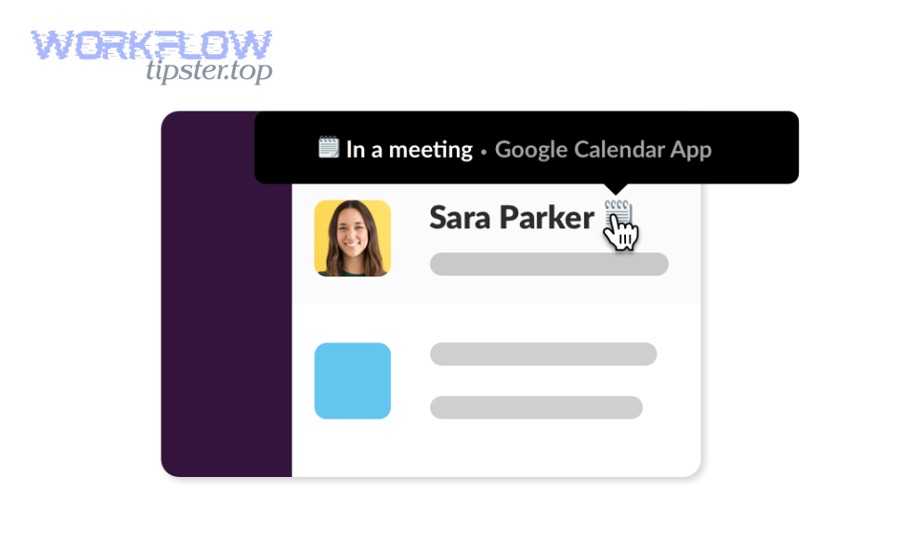
Connecting Google Calendar to Slack is the most direct way to keep meetings visible where your team already communicates: you can receive reminders and event updates in Slack, and you can sync status signals like “In a meeting” so colleagues know when to expect replies. ( slack.
Aland Johnson January 31, 2026 at 1:49 AM
Sync Google Calendar to Notion for Busy Teams: Automate (Not Manual) Event Updates + 2-Way Options
If your team is copying meeting details from Google Calendar into Notion by hand, you can replace that manual routine with an automated sync that creates or updates Notion records when events change—so your schedule stays accurate without constant copy/paste. Next, once you understand what “sync” realistically means (create, update, cancel) you can choose the best connection method based on your goal: a simple embedded calendar view, database-first automation, or true two-way updates.
Aland Johnson January 31, 2026 at 1:35 AM
Automate Google Calendar to monday.com Sync for Project Teams (Not Manual): Set Up Integration + One-Way vs Two-Way
Automating Google Calendar to monday.com sync means your team stops retyping schedules and starts letting events and deadlines flow into a board as structured work—so dates stay current, owners stay accountable, and project timelines stay visible without manual updates.
Aland Johnson January 31, 2026 at 1:23 AM
Connect (Sync) Google Calendar to Microsoft Teams for Remote Teams: Schedule & Join Teams Meetings — Add-On vs Zapier
If your team lives in Google Calendar but meets in Microsoft Teams, you can connect the two so you can schedule and join Teams meetings directly from a Google Calendar event—without copying links, switching apps, or re-inviting people. The most direct path is the Microsoft Teams Meeting add-on for Google Workspace, which inserts Teams meeting details into your calendar invite and makes joining straightforward.
Aland Johnson January 31, 2026 at 1:10 AMAutomate Google Calendar → Jira Sync for Agile Teams (Manual vs Automated Two-Way Options)
If you want a reliable Google Calendar → Jira sync , the fastest path is to define one “source of truth” (usually the calendar for meeting logistics, Jira for delivery work) and automate the bridge so events become structured issues without manual copying. Next, you’ll also need to decide how automated you want the workflow to be—ranging from lightweight “create an issue when an event is created” to fuller updates when events move, cancel, or recur.
Aland Johnson January 31, 2026 at 12:58 AM