


Connecting Gmail to Basecamp with no-code automation is the fastest way to turn “actionable emails” into trackable project work—because a labeled or filtered message can automatically become a Basecamp to-do or message with the right context attached.
Next, the difference between a useful automation and a noisy one is the workflow design: you need clear rules for when an email becomes a to-do, when it becomes a message post, and how your team assigns, titles, and follows up so nothing gets lost.
Then, reliability comes from the plumbing: smart Gmail triggers (labels, filters, searches) plus consistent mapping into the right Basecamp project tools like To-Dos and the Message Board, so the automation stays predictable even as volume grows.
Introduce a new idea: below is a practical, team-friendly blueprint you can implement step-by-step, with guardrails for duplicates, misrouting, and common failure points—so the integration stays calm, not chaotic.
Can you connect Gmail to Basecamp with no-code automation?
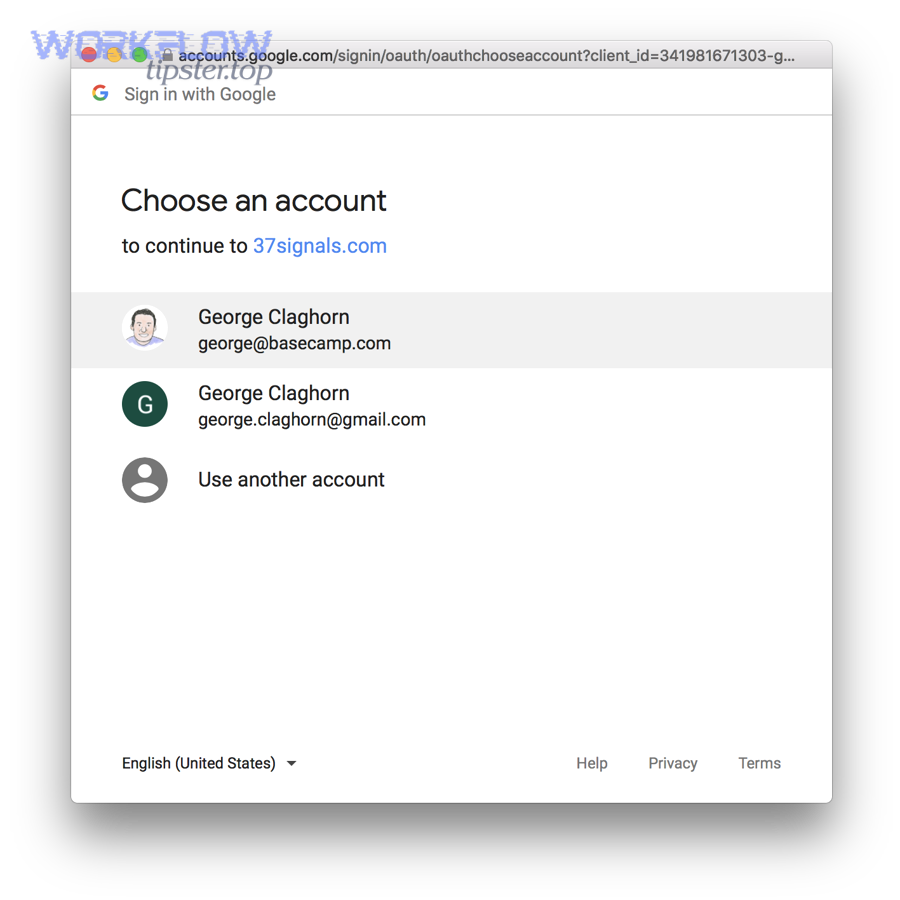
Yes—Gmail to Basecamp no-code automation works because connectors use secure OAuth access, Gmail triggers (like labels/filters) identify the right emails, and Basecamp actions can create To-Dos or Message Board posts with mapped fields.
To keep that promise in real life, the key is to treat this as a team workflow system—not a one-off “send everything into Basecamp” shortcut.
What does “Gmail to Basecamp automation” mean in practical terms?
Gmail to Basecamp automation means an incoming email triggers a rule (often a label or filter), and that rule creates a structured Basecamp item—usually a to-do for work that must be done, or a message post for information everyone should see.
Specifically, the “automation” is just a repeatable translation layer:
- Email → structured task: subject becomes a task title, body becomes a description, and a link back to Gmail preserves context.
- Email → team announcement: the same content can become a Message Board post when it’s an update, decision, or question for the whole project.
- Email → accountable ownership: assignees and due dates make the work visible in Basecamp instead of buried in someone’s inbox.
This is the hook: your inbox is where work arrives, but Basecamp is where work becomes owned.
Is this integration safe for teams using shared inboxes and client emails?
Yes, it can be safe if you scope access carefully, separate personal and shared workflows, and control which emails qualify (labels/filters) before anything is created in Basecamp.
More importantly, “safe” here has two meanings:
- Account safety (access & permissions): Use a team-managed account (or a shared inbox identity) for the connector, and avoid giving broad access from a personal mailbox unless it’s truly necessary.
- Information safety (what gets copied): Only promote emails that meet clear criteria—like a label your team applies intentionally (“To Basecamp”), or a filter tied to a client domain and keywords.
- Process safety (human accountability): Make sure a Basecamp item always has an owner (assignee), otherwise automation just moves chaos from Gmail into Basecamp.
This sets up the next step: once safety is handled, the biggest win comes from choosing the right workflow for converting email into project work.
What is the best workflow to turn emails into Basecamp to-dos for project teams?
The best workflow is a four-stage pipeline—capture, triage, convert, and execute—because it prevents task sprawl, keeps ownership clear, and ensures Basecamp To-Dos (and not inbox threads) become the team’s system of record.
To make that pipeline stick, you need a simple rule: emails are inputs; Basecamp items are commitments.
Which emails should become Basecamp tasks vs Basecamp messages?
To-Dos win for actionable work, Message Board posts win for shared context, and chat-style tools win for quick coordination—so your choice should depend on whether the email requires execution, alignment, or quick awareness.
A practical decision framework:
- Make a To-Do when the email contains an action.
Examples: “Please update the landing page headline,” “Can you prepare the invoice,” “Fix the bug in the report export.” - Make a Message Board post when the email contains a decision, update, or question for the group.
Examples: “Here is the approved scope,” “We changed the timeline,” “Which option should we choose?” - Avoid turning every reply chain into tasks.
Long threads often contain partial context; the best conversion is a summary To-Do (with the Gmail link) plus a clean Basecamp description.
To help teams apply this consistently, here’s a quick table showing what each destination is for and what the “best practice” outcome looks like.
This table contains a decision guide that helps you route Gmail emails to the correct Basecamp destination so the automation creates clarity instead of clutter.
| Email intent | Best Basecamp destination | Why it fits | What the automation should create |
|---|---|---|---|
| Someone must do work | To-Dos | Ownership + due dates + checklists | A to-do with assignee, due date, and Gmail link |
| Everyone needs shared context | Message Board | One post keeps discussion on-topic | A message post with a clean summary + the email content |
| Quick coordination, not a record | Team chat tool | Faster than long threads | Usually not automated, or only a notification |
Once your team knows where emails go, the next lever is how you name and structure tasks so Basecamp stays searchable.
How do you structure email-to-task titles and descriptions to stay searchable?
A strong email-to-task structure uses a consistent title pattern, a clean summary at the top of the description, and a link back to the original thread—so Basecamp remains searchable and anyone can reconstruct context in seconds.
Then, keep your naming system simple enough that the team actually follows it:
- Title pattern (recommended):
[Client/Area] + [Action verb] + [Object] + (optional date)
Example: “Client A — Update onboarding email copy (Feb 2)” - Description structure (recommended):
- One-sentence summary of what “done” means
- Key details (bullets)
- Any constraints (deadline, approvals, dependencies)
- Gmail link (thread or message)
This is where automation becomes semantic: a consistent structure improves retrieval, routing, and accountability—especially when you have multiple projects and many similar requests.
Which Gmail triggers should you use to route the right emails into Basecamp?
There are 3 main Gmail trigger types to route emails into Basecamp—label-based triggers, query/filter-based triggers, and star/priority-based triggers—based on how intentionally you want humans vs rules to decide what becomes a Basecamp item.
To keep routing accurate as email volume grows, most teams start with labels (high control) and later add queries (high scale).
What are the most reliable Gmail triggers for automation?
The most reliable triggers are (1) “new email with a specific label,” (2) “new email matching a saved search query,” and (3) “starred/flagged email,” because each method gives you a clear, testable gate before creating work in Basecamp.
More specifically:
- Label trigger (most reliable for teams): Requires an explicit team action (apply a label) or a Gmail filter that applies the label.
- Query trigger (best for scale): Uses a Gmail search string like from:client.com subject:(invoice OR quote) and can capture patterns.
- Star/priority trigger (simple but risky): Easy for individuals, but inconsistent across teams unless you standardize usage.
The reliability rule is simple: your trigger should be predictable, auditable, and easy to correct when it misfires.
How do you use Gmail labels as a routing system for Basecamp projects?
Gmail labels become a routing system when each label maps to a specific Basecamp destination—so “To Basecamp” is the gate, and a second label (like “BC-Project-Alpha”) decides the exact project/tool.
Specifically, build a label taxonomy like this:
- Gate label: To Basecamp (the “yes, convert this” switch)
- Project label: BC – Project Alpha, BC – Client Support, BC – Ops
- Intent label (optional): Action, Decision, FYI
Then, your automation reads labels in order:
- If no gate label, do nothing (prevents noise).
- If gate label exists, create the Basecamp item.
- If project label exists, route to that project; otherwise route to a default “Intake” project.
This approach is resilient because humans can correct mistakes by changing labels—no code changes required.
Should you route by sender, subject keywords, or labels?
Labels win for accuracy, sender/keywords win for scale, and a hybrid is optimal for busy teams because labels reduce false positives while sender/keywords reduce manual work.
However, a practical choice depends on your environment:
- Client services / agencies: Start with labels + client domain filters (hybrid).
- Internal ops: Start with sender/subject patterns (scale), then add a gate label if noise rises.
- Support-like workflows: Use a gate label plus intent labels (“Action”, “Decision”) for clarity.
This leads directly into implementation: once you choose triggers, you need a step-by-step setup that maps Gmail content into Basecamp the right way.
How do you set up the Gmail → Basecamp automation step-by-step?
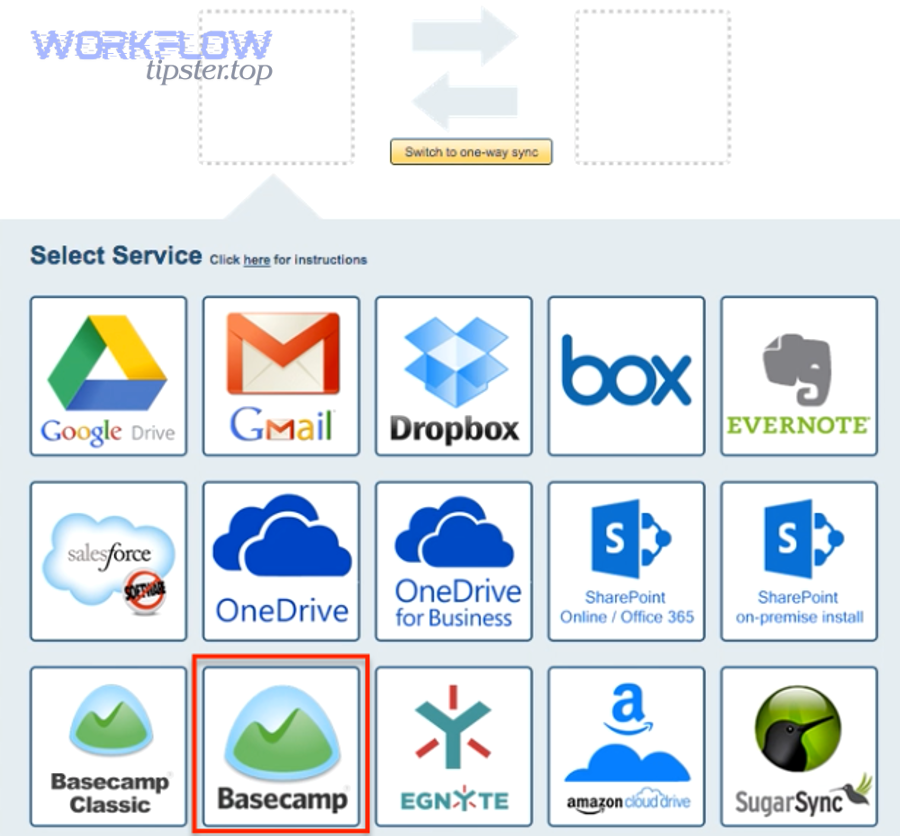
Use a 7-step setup—connect accounts, choose a trigger, define filters/labels, pick a Basecamp destination, map fields, test with sample emails, and monitor run history—to reliably create Basecamp To-Dos or Message Board posts from Gmail.
To make the setup stable, treat mapping and testing as first-class steps—not optional polish.
What fields should be mapped from Gmail into Basecamp to-dos?
The most effective mapping includes subject → title, email body → description, sender → requestor, a Gmail link → reference, and optional fields like assignee and due date—because it turns a message into an actionable task with traceable context.
A practical mapping checklist:
- Title: Gmail subject (optionally prefixed with project/client)
- Description: Cleaned email body (remove signatures if possible)
- Requestor: Sender name + email
- Reference: Gmail permalink or thread link
- Assignee (optional): Default owner or derived from rules (e.g., Client A → Owner A)
- Due date (optional): Parsed from text (“by Friday”) or set by SLA (“+2 business days”)
- Attachments: Either attach directly (if supported) or include file links
The mapping principle: Basecamp should show “what to do” without forcing someone to reread a whole email chain.
How do you include the original email link and context for fast triage?
You include context by adding the Gmail thread link near the top of the Basecamp description and by summarizing the required outcome in one sentence before the raw email content—so the assignee can act immediately and still verify details.
Then, use a “context header” pattern:
- Outcome: What does “done” mean?
- Constraints: Deadline, approvals, dependencies
- Link: Gmail thread/message link
- Details: Key bullets or quoted excerpt
This structure is especially helpful when multiple people might work the task, because it reduces “Where did this come from?” delays.
How do you run a test and confirm the task lands in the right Basecamp project?
Yes—testing is straightforward if you send 3–5 sample emails that represent your real patterns, confirm the label/filter is applied, and verify the Basecamp item appears in the correct project tool with correct formatting, owner, and link.
A simple test plan:
- Happy path: A correct email that should become a To-Do.
- Noise test: A newsletter or auto-reply that should be excluded.
- Edge case: An email with an attachment, forward, or long thread.
- Routing test: An email that should go to Project A vs Project B.
- Ownership test: Ensure assignee is set or clearly defaults.
If anything fails, fix it at the trigger level first (labels/filters), then adjust mapping.
How do you prevent noise, duplicates, and misrouted tasks in Gmail-to-Basecamp?
Preventing noise requires a 5-part quality layer—use a gate label, add exclusion filters, limit thread-based triggers, apply dedup rules, and review run logs weekly—because most failures come from “too many emails qualify” rather than tool bugs.
To keep your Basecamp clean, build guardrails before you scale.
What filters and conditions reduce false positives the most?
The most effective filters exclude automated senders, mailing lists, and “FYI-only” patterns, while including only labeled emails or specific client domains—because these conditions reduce the probability that non-actionable messages become Basecamp work.
High-impact exclusions:
- from:(no-reply OR noreply) and common automation senders
- Mailing list headers (newsletters)
- Auto-replies and out-of-office patterns
- CC-only messages (when you’re not the primary owner)
- Words like “unsubscribe” in the footer (strong newsletter signal)
High-impact inclusions:
- Gate label: only process emails that have To Basecamp
- Client domains: only process from:*@client.com
- Subject patterns: “request”, “change”, “urgent”, ticket numbers
One operational best practice: set your Gmail filter to apply a label rather than immediately creating tasks—so you can visually confirm the right emails are being captured.
How do you stop duplicate Basecamp tasks from email threads and forwards?
You stop duplicates by triggering on “new labeled email” rather than “any message in a thread,” by removing the label after conversion (or moving to a “Converted” label), and by using one-task-per-thread rules for recurring conversation chains.
Then, add a lightweight dedup strategy that fits no-code constraints:
- Thread rule: Only convert the first labeled message in a thread.
- Label lifecycle: To Basecamp → automation runs → replace with Converted.
- Title signature: Include a short reference like the sender + date, so duplicates stand out.
- Manual review lane: Route uncertain emails to an “Intake” project first.
Why this matters: a single duplicated task can waste more time than the automation saves, because two people might act on the same request.
Should you keep a human approval step before creating Basecamp tasks?
Fully automated wins for speed, a human approval step wins for accuracy, and a hybrid is best for most teams because it allows automation to pre-structure tasks while humans decide whether the task should exist.
A practical hybrid pattern:
- Gmail filter applies To Review label (automatic).
- A human applies To Basecamp label to the few that deserve conversion.
- Automation converts only To Basecamp emails.
This approach is also psychologically easier for teams: people trust automation more when they can “veto” it during early rollout.
What are the best Gmail-to-Basecamp automation templates for teams?
There are 6 best Gmail-to-Basecamp templates—Client Requests to To-Dos, Approvals to Message Board, Support Escalations, Invoices to Ops Tasks, Hiring/People Ops intake, and Meeting Follow-ups—based on which department owns the work and how repeatable the email pattern is.
To make templates reusable, each one should define: trigger, destination, default owner, and a “done” definition.
Which workflows work best for support, agencies, and internal ops teams?
The best workflows differ by team: support needs fast triage and clear ownership, agencies need client-to-project routing, and ops needs predictable classification—so each group should use a trigger and destination that matches its operational rhythm.
Support-style template (escalations):
- Trigger: label Escalate or query subject:(urgent OR escalation)
- Basecamp destination: To-Do list “Escalations”
- Owner: on-call lead or rotation
- Description: customer impact + reproduction steps + Gmail link
Agency template (client requests):
- Trigger: client-domain filter applies To Review; team applies To Basecamp
- Destination: client project To-Dos
- Owner: account lead
- Title format: “Client X — [Action]”
Internal ops template (invoices / purchasing):
- Trigger: from:vendor.com + subject contains “invoice”
- Destination: Ops project To-Dos
- Owner: finance/admin
- Notes: include PO number, due date, and file link
This is also where you can connect broader “Automation Integrations” across your stack: for example, if your team already uses google calendar to slack notifications or a scheduling flow like calendly to monday, you can align naming and routing conventions so work moves consistently between systems instead of fragmenting.
How do you handle attachments and large files when creating Basecamp tasks?
You handle attachments best by linking to a stable file location (cloud storage) and summarizing what the attachment contains, because large or complex attachments can fail to transfer, lose formatting, or create bloated task descriptions.
Then, apply these practical rules:
- If it’s small and critical: attach directly (when supported).
- If it’s large or versioned: store in cloud drive and link it.
- If it’s an image-heavy email: include only the key excerpt plus a Gmail link.
- If it’s confidential: restrict access and avoid copying full content unless necessary.
This reduces failure rates and keeps Basecamp readable—especially when the email contains long quoted histories.
Why is the integration failing, and how do you fix common errors?
Fix Gmail-to-Basecamp failures by diagnosing in this order—trigger logic, authentication/permissions, mapping/formatting, and rate/attachment constraints—because most issues come from incorrect qualification rules or expired access, not from Basecamp itself.
To better understand what’s happening, you need a troubleshooting mindset that separates “nothing triggered” from “it triggered but created the wrong thing.”
Is it an authentication/permission issue or a mapping/workflow issue?
Authentication wins as the likely cause when runs stop suddenly or reconnect prompts appear, while mapping/workflow wins when items are created but look wrong—so you should diagnose by whether the automation runs at all or runs incorrectly.
A symptom-based diagnostic:
- No runs happening at all:
- Trigger is too strict (label never applied, query wrong)
- Auth token expired or access revoked
- Connector lost permission to the mailbox or Basecamp workspace
- Runs happen but output is wrong:
- Mapping fields incorrectly (subject/body swapped)
- Wrong Basecamp project selected
- HTML email formatting pollutes descriptions
- Runs happen inconsistently:
- Email threads/forwards behave differently than expected
- Attachment edge cases fail intermittently
Fix sequence that saves time:
- Confirm Gmail label/filter is applied (start at the source).
- Confirm the connector run history shows a trigger event.
- Confirm the Basecamp destination is the correct project tool (To-Dos vs Message Board).
- Adjust mapping and retest with known sample emails.
What should you monitor weekly to keep the automation reliable?
Weekly monitoring should include run failures, skipped triggers, duplicate creation signals, and routing accuracy, because silent drift (new senders, new subject patterns, new team behavior) slowly breaks automation even when tools are “working.”
A simple weekly checklist:
- Failure log: any errors, auth issues, or attachment failures
- Trigger health: is the gate label still being used correctly?
- Noise ratio: how many items created vs how many were truly actionable?
- Routing accuracy: are tasks landing in the intended project and list?
- Ownership: are tasks getting assigned, or piling up unowned?
Evidence of why this matters: frequent email interruptions measurably degrade focus and increase stress—so your goal is not “more automation,” but less unnecessary inbox switching. According to a study by the University of California, Irvine from the Department of Informatics, in 2008, interrupted work patterns were associated with higher stress and time pressure as people compensated by working faster.
Which integration approach should you choose for Gmail to Basecamp: direct automation or managed workflows?
Direct automation wins for speed and simplicity, managed workflows are best for complex routing and governance, and a hybrid is optimal for most project teams because it combines low-friction email capture with controlled intake, deduplication, and scalable routing rules.
However, the “best” approach depends on how much email volume and complexity you truly have.
What is the difference between a simple “label → task” setup and an advanced routing system?
A simple label→task setup is best for low volume and high trust (one label creates one type of task), while an advanced routing system is best for multiple projects, multiple owners, and many patterns because it uses layered labels, conditional logic, and standardized templates.
A clear progression path:
- Phase 1 (simple): To Basecamp label → create To-Do in one Intake project
- Phase 2 (structured): To Basecamp + BC – Project X → create in the correct project
- Phase 3 (advanced): parse intent, assign owners, set due dates, route attachments by rules
If you’re not sure where you are, the decision is easy: start simple, then only add complexity when misrouting and noise become the dominant problem.
When should teams prefer one-way automation over two-way syncing?
One-way automation is best when Gmail is the intake channel and Basecamp is the execution system, while two-way syncing is only worth it when stakeholders demand bidirectional status updates and you can enforce strict rules—otherwise it creates confusion about which system is “truth.”
Most project teams do better with one-way because:
- Email is unstructured and conversational.
- Basecamp To-Dos are structured and accountable.
- Two-way sync often creates duplicate conversations, inconsistent updates, and unclear ownership.
A safer compromise: keep a Gmail link inside the Basecamp item, and keep progress updates in Basecamp where the team works.
How do you design deduplication and idempotency for high-volume inboxes?
You design deduplication by enforcing one-task-per-thread rules, using a “Converted” label lifecycle, and capturing a unique signature (like message-id or a hash) in the Basecamp description—so reruns don’t create new tasks for the same email.
Then, implement “idempotency” in no-code-friendly ways:
- Convert only labeled emails, and remove/replace the label after conversion.
- Use a consistent “Reference:” line containing the Gmail message/thread link.
- Keep a lightweight audit trail (e.g., add “Converted on YYYY-MM-DD”).
This matters because even small interruptions compound: According to a study by the University of British Columbia from the Department of Psychology, in 2015, reducing email interruptions was associated with lower stress and less task switching in experimental work contexts.
What security and compliance checks matter when pushing client emails into Basecamp?
The most important checks are access scope (who can see what), retention , and data minimization (only transfer what’s needed), because client emails often contain sensitive information that shouldn’t be replicated unnecessarily.
A practical checklist:
- Scope: Which mailbox is connected? Is it a shared identity with limited access?
- Visibility: Which Basecamp project receives the content, and who is on that project?
- Minimization: Do you need full email bodies, or just summaries plus links?
- Retention: Does your organization require deletion timelines or audit trails?
- Process: Who is responsible for monitoring and correcting misroutes?
Finally, keep the goal clear: the best Gmail-to-Basecamp automation reduces context switching so teams can focus. According to a UC Irvine study report (in collaboration with U.S. Army researchers), being cut off from work email reduced stress and improved focus in their observed group setting—an effect your workflow can partially replicate by moving “actionable email” into a structured task system.