


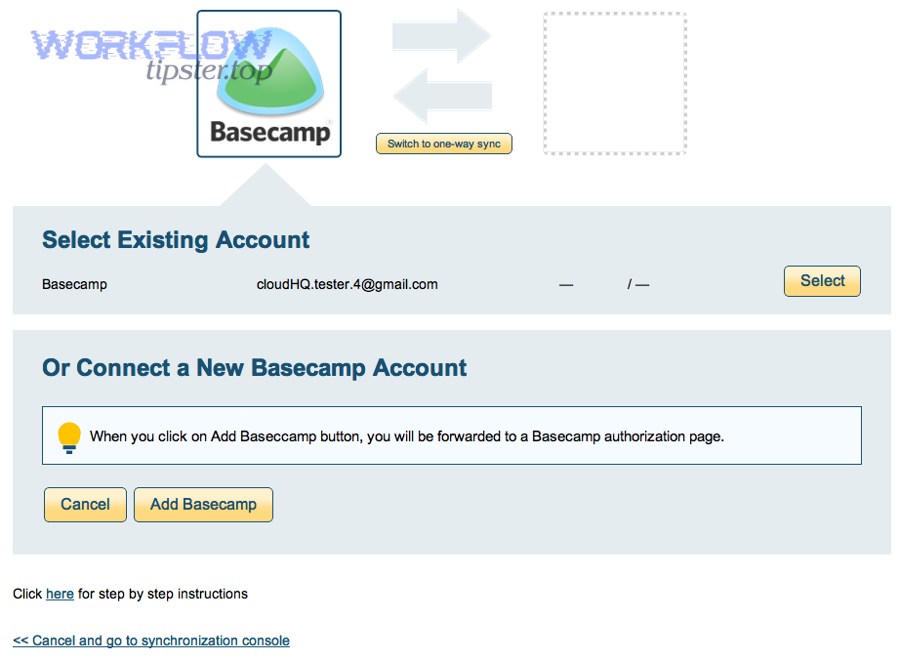
To automate a Basecamp to OneDrive workflow, you typically connect Basecamp events (like new uploads or completed tasks) to OneDrive actions (like creating folders, copying files, and setting permissions) so project files stay organized without manual downloading and re-uploading.
If your team is unsure whether you should fully sync files or simply reference them, you’ll learn the practical difference between “syncing” and “linking,” and how each choice affects collaboration speed, file ownership, and version control.
You’ll also see the most reliable connection methods—native Basecamp linking, no-code automations, and API-based approaches—so you can pick the right setup for your project size, security needs, and technical skill level.
Introduce a new idea: once you understand the right connection style, you can design a folder structure, permissions model, and monitoring plan that keeps your Basecamp-to-OneDrive system stable as projects grow.
What does “Basecamp to OneDrive integration” mean in real workflows?
Basecamp to OneDrive integration is a workflow connection that routes Basecamp project activity (files, updates, tasks) into structured OneDrive storage so teams can find, share, and govern project documents in one consistent place.
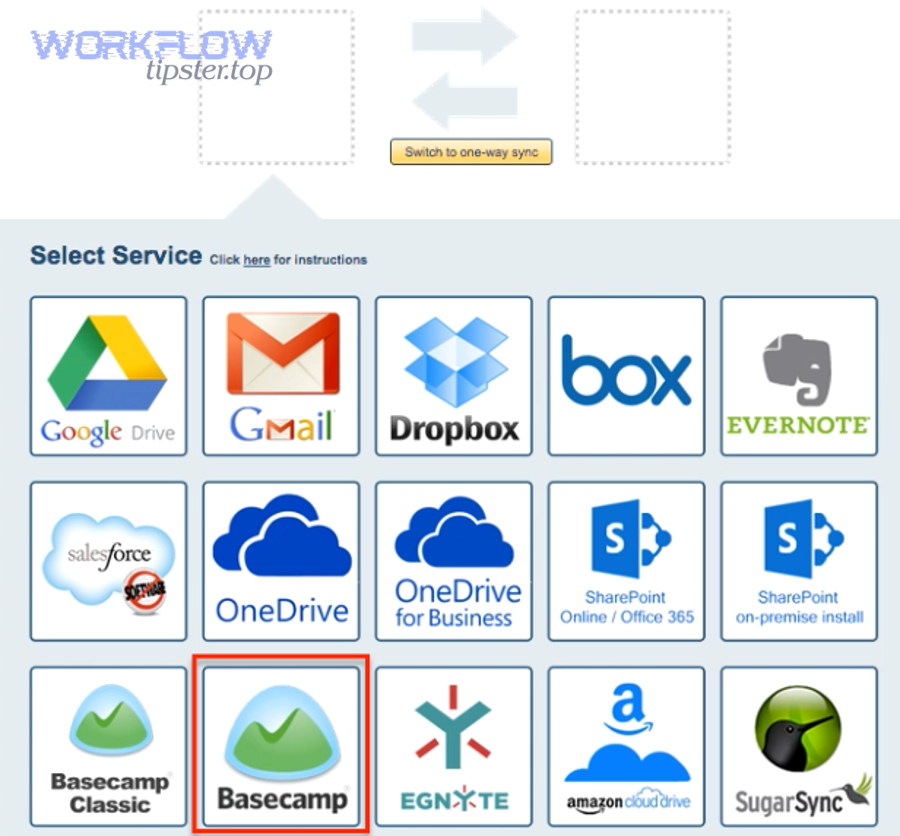
To better understand this integration, think in terms of workflows rather than “apps”: a Basecamp project generates collaboration events, and OneDrive becomes the governed document layer where naming, permissions, and retention policies live.
In real operations, teams usually want one (or more) of these outcomes:
- Automatic file capture: when someone posts a file to Basecamp, it lands in the correct OneDrive folder.
- Consistent project structure: every new Basecamp project automatically creates a OneDrive folder template.
- Shareable links with control: the team shares OneDrive links in Basecamp so access and version history stay centralized.
- Operational traceability: you can prove who uploaded what, when, and where it ended up.
Basecamp supports “Docs & Files” and can also link to cloud files (including OneDrive) so teams can reference cloud-hosted content inside projects. ([3.basecamp-help.com](https://3.basecamp-help.com/article/51-docs-files?))
Do you need to “sync” Basecamp files to OneDrive, or just link them?
Yes—you should sync Basecamp files to OneDrive when you need centralized governance, consistent permissions, and recoverable version history; but you should only link when speed, simplicity, and avoiding duplication matter most.
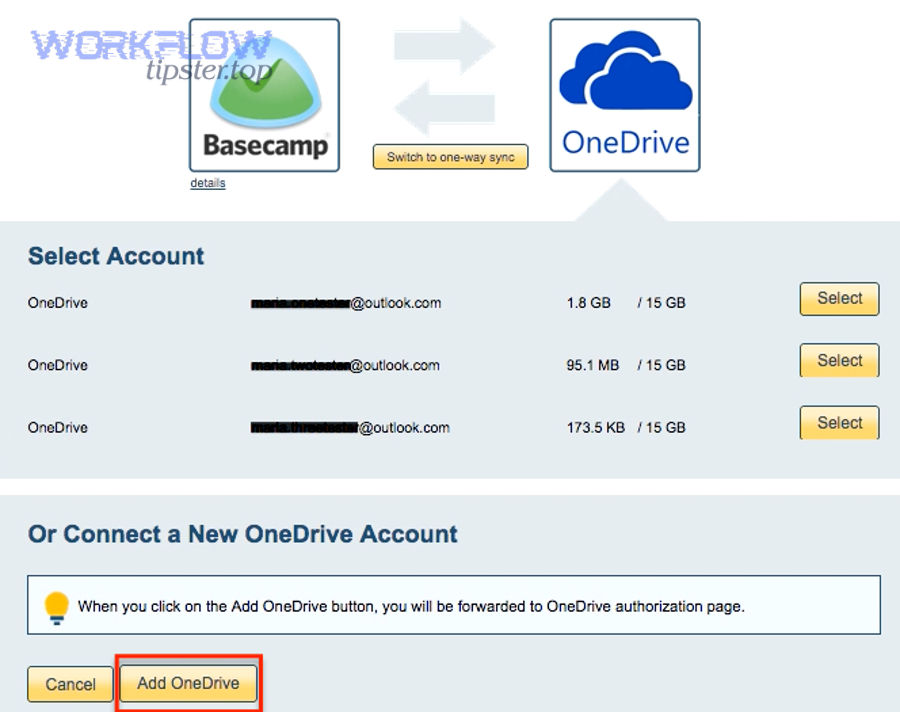
However, the best decision becomes clear when you compare the two options against your actual risks and habits:
- Reason 1 (Governance): syncing puts the file under OneDrive controls (sharing rules, retention, audit logs), which matters for larger teams and client work.
- Reason 2 (Findability): syncing enforces a predictable folder/naming structure, so people don’t “hunt” across Basecamp threads and downloads.
- Reason 3 (Continuity): syncing reduces “single device dependency” (someone’s laptop downloads) and makes project handoffs cleaner.
On the other hand, linking is often enough when:
- The file already lives in OneDrive and you simply want the Basecamp conversation to reference it.
- You want a single source of truth in OneDrive (no duplicates created by automation).
- You need to keep Basecamp lean and avoid storage sprawl.
In practice, many teams use a hybrid: link for living documents (specs, spreadsheets) and sync for deliverables (final exports, signed PDFs, handoff packages).
What are the main ways to connect Basecamp to OneDrive?
There are 3 main ways to connect Basecamp to OneDrive: no-code automation, native linking inside Basecamp, and API/custom middleware—each suited to different control, complexity, and scale needs.
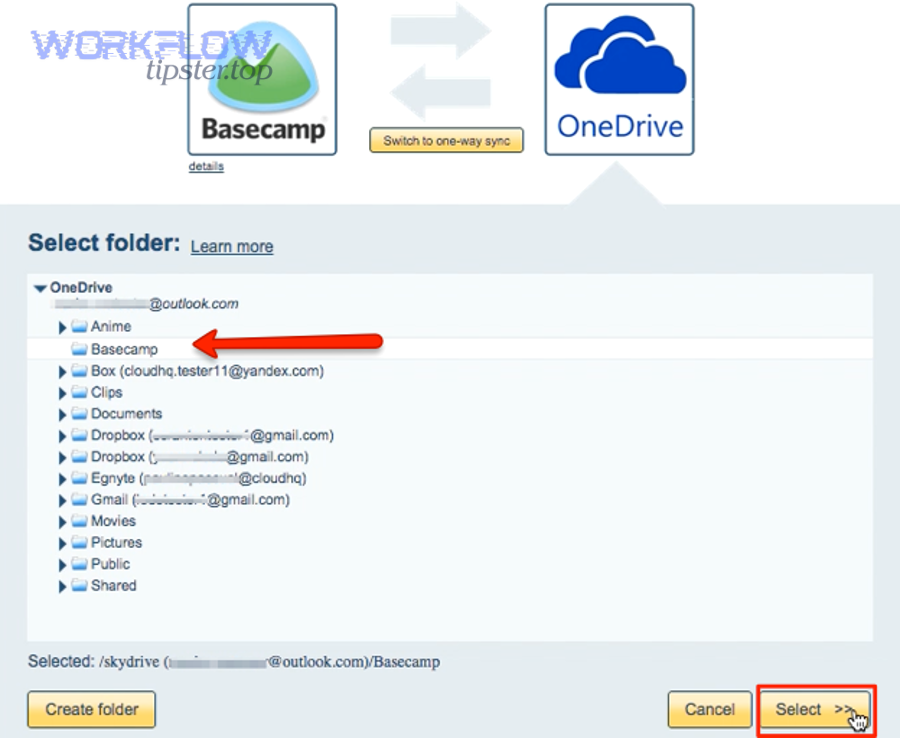
Next, you can pick the connection method by matching it to your team’s technical comfort and workflow depth rather than picking the “most popular” tool.
What is the no-code trigger–action model for Basecamp → OneDrive?
No-code automation connects a Basecamp trigger (like “new upload” or “new to-do”) to a OneDrive action (like “create folder” or “upload file”) so routine file routing happens automatically without writing code.
Specifically, this model works best when your workflow can be expressed as if-this-then-that logic: if a file appears in Basecamp, then copy it into a named OneDrive folder and optionally notify the team.
Common patterns include:
- Create a OneDrive folder when a Basecamp project is created.
- Copy new Basecamp documents into OneDrive by project name.
- Post a Microsoft Teams message with the OneDrive link after upload.
Zapier and Make both publish Basecamp–OneDrive integration options, which helps teams start with proven triggers/actions instead of building everything from scratch. ([zapier.com](https://zapier.com/apps/basecamp/integrations/onedrive?))
What is the native “link to cloud files” approach inside Basecamp?
Basecamp’s native linking approach means you keep files in OneDrive and attach or reference them from Basecamp, so Basecamp becomes the collaboration layer while OneDrive remains the storage source of truth.
In addition, this option is ideal when you want fewer moving parts: no automation runs, no file duplication happens, and you reduce the chance of “two versions of the same file” drifting apart.
Basecamp explicitly supports linking to cloud files—OneDrive included—inside Docs & Files, which makes “link-first” workflows both fast and maintainable. ([3.basecamp-help.com](https://3.basecamp-help.com/article/51-docs-files?))
What is the API/custom middleware approach for advanced teams?
An API/custom middleware approach uses Basecamp and Microsoft APIs (often via a small service) to enforce deeper rules—like complex folder mapping, metadata stamping, governance checks, and audit logging beyond what no-code tools typically offer.
More importantly, this method is best when your workflow includes:
- Multiple Basecamp accounts/clients with strict separation.
- Advanced routing rules (by project template, client tier, or file type).
- Custom compliance steps (approval gates, DLP checks, encryption handling).
The tradeoff is ownership: you gain flexibility, but you also own uptime, monitoring, and API maintenance.
How do you set up a clean folder structure in OneDrive for Basecamp projects?
The best OneDrive folder structure for Basecamp projects is a consistent template that mirrors how your team thinks—project → workstream → deliverable—so every Basecamp file lands in a predictable place and stays searchable.
Then, a clean structure becomes the foundation that prevents duplicates, broken links, and “mystery folders” created by inconsistent automation rules.
What naming convention keeps Basecamp projects searchable in OneDrive?
A reliable naming convention uses a stable project identifier plus a human-readable label (for example, CLIENT-PROJECT-YYYY) so OneDrive folders remain sortable, searchable, and resistant to renaming drift.
For example, you can use:
- ACME-WebsiteRedesign-2026
- NOVA-Onboarding-2026Q1
- INTERNAL-MarketingOps-2026
To illustrate why this matters, university library data-management guidance consistently emphasizes consistent, descriptive naming to improve findability and reduce confusion in shared environments. ([libraryguides.fullerton.edu](https://libraryguides.fullerton.edu/dmp/organization?))
How do you map Basecamp objects to folders (projects, messages, docs, uploads)?
You map Basecamp objects to folders by assigning each object type a stable destination path (Project root → Docs, Uploads, Deliverables, Admin), so automations don’t “guess” where content belongs.
Specifically, a practical mapping looks like this:
- /Project Root/01_Admin: kickoff notes, contracts, approvals
- /Project Root/02_Working: drafts, in-progress docs
- /Project Root/03_Deliverables: client-ready exports
- /Project Root/99_Archive: closed items
When you align this mapping with how people browse projects, Basecamp becomes the conversation hub, and OneDrive becomes the structured library.
How do you avoid duplicate files, long paths, and broken links?
You avoid duplicates, long paths, and broken links by enforcing one source of truth per file type, keeping folder depth shallow, and using consistent IDs rather than frequently changing names in automation paths.
Moreover, apply these safeguards:
- Choose “link-first” for living documents and only sync final deliverables.
- Limit folder depth (avoid 6+ nested levels) to reduce path issues across devices.
- Normalize filenames (no trailing dots, avoid unusual characters) before upload.
- Use idempotent logic: “create folder if missing,” not “create folder every time.”
This combination reduces “same file, different location” chaos and keeps collaboration fast.
How do you build the “Basecamp → OneDrive” automation step-by-step?
The simplest way to build a Basecamp → OneDrive automation is a 4-step flow: capture the Basecamp event, locate the correct OneDrive folder, upload/copy the file, and notify the team—so files land consistently with minimal manual work.
Below, you’ll build the workflow like a checklist so you can debug each stage independently instead of troubleshooting a “black box” automation.
How do you create a “new file in Basecamp” trigger?
You create a “new file in Basecamp” trigger by selecting a Basecamp event source (project or docs/files tool), then filtering to uploads/posts that represent the files you actually want to route to OneDrive.
To illustrate, many teams start with a narrow trigger (only one project) and expand after validation. That reduces noise and prevents accidental bulk transfers.
- Pick one Basecamp project for your pilot.
- Trigger on new uploads or new documents (depending on your tool’s options).
- Add filters: file type, folder/category, or keyword tags when supported.
How do you upload/copy the file into the correct OneDrive folder?
You upload/copy the file into the correct OneDrive folder by generating the destination path from the Basecamp project name (or ID) and ensuring the folder exists before the upload step runs.
Specifically, use a folder-ensure step:
- Find folder (by project ID/name)
- Create folder if missing
- Upload/copy file into that folder
This approach prevents “uploads to root” problems and keeps every file in the correct project container.
How do you handle metadata: who uploaded, what project, what date?
You handle metadata by writing key Basecamp fields into the OneDrive file context—either as a naming suffix, a companion text file, or a structured log—so you can trace uploads without opening Basecamp threads later.
For example, a consistent filename pattern might be:
- [ProjectCode]_[OriginalName]_[Uploader]_[YYYY-MM-DD]
Meanwhile, for heavier governance, keep a simple log (CSV or table) in OneDrive that records: Basecamp project, Basecamp item URL, uploader, timestamp, and OneDrive file link.
How do you notify the team in Microsoft Teams after syncing?
You notify the team by posting a Teams message that includes the OneDrive link, file name, and Basecamp context, so collaboration shifts from “did it upload?” to “here’s where it is—review it.”
In addition, keep the message consistent:
- What changed (new file uploaded)
- Where it lives (OneDrive folder link)
- What to do next (review/approve/comment)
Here is one practical walkthrough video you can follow for a typical Basecamp-to-OneDrive automation setup:
How do you set up OneDrive for Business permissions for Basecamp collaboration?
You set up OneDrive for Business permissions by assigning clear ownership, restricting who can edit vs view, and enabling recovery protections (like version history) so Basecamp collaboration doesn’t turn into accidental deletion or uncontrolled sharing.
More importantly, treat permissions as part of the workflow design: if you automate file movement but ignore access control, you create fast chaos instead of fast collaboration.
Which permission model fits your team: owners, members, guests?
The best model is: a small number of owners manage structure, members collaborate on working folders, and guests get least-privilege access to only the deliverables they must see.
Specifically:
- Owners: project leads who can manage sharing and recovery.
- Members: internal staff who create and edit working docs.
- Guests: clients/vendors restricted to deliverables or review folders.
This separation reduces the risk of a guest accidentally altering internal drafts.
How do you prevent accidental deletion and ransomware-style overwrites?
You prevent accidental deletion and ransomware-style overwrites by limiting delete permissions, using sharing links with expiration when appropriate, and relying on OneDrive’s recovery mechanisms (recycle bin and version history) as a last line of defense.
According to a study by the University of Maryland from the Clark School, in 2007, computers with Internet access were attacked on average every 39 seconds, which highlights why file systems need layered recovery and access controls rather than trust alone. ([eng.umd.edu](https://eng.umd.edu/news/story/study-hackers-attack-every-39-seconds?))
How do you use version history and retention to recover mistakes?
You recover mistakes by restoring earlier versions, rolling back overwritten files, and keeping a sane version-retention baseline so your team can undo errors without scrambling for local copies.
Besides, Microsoft guidance for SharePoint/OneDrive versioning indicates that setting very low version limits can risk inadvertent data loss, and the UI does not allow setting below certain thresholds. ([learn.microsoft.com](https://learn.microsoft.com/en-us/sharepoint/document-library-version-history-limits?))
Zapier vs Make vs Integrately: which Basecamp–OneDrive connector is best?
Zapier wins for quick setup, Make is best for complex multi-step routing, and Integrately can be optimal for teams that want fast “ready automations” with minimal configuration—so the best connector depends on simplicity vs depth vs scale cost.
Next, use the comparison below to match the tool to your workflow complexity instead of choosing purely on brand familiarity.
This table contains a practical, decision-focused comparison to help you choose a Basecamp–OneDrive connector based on setup effort, workflow complexity, and scaling needs.
| Tool | Best for | Strength | Watch-outs |
|---|---|---|---|
| Zapier | Fast, standard automations | Easy onboarding, broad app coverage | Complex branching can become expensive or awkward |
| Make | Visual, multi-step workflows | Powerful routing, transformations, scenarios | More moving parts; needs tighter testing discipline |
| Integrately | Quick “prebuilt” connections | Low friction for common use cases | Less flexible when you need custom logic |
Which tool is easiest for non-technical teams?
Zapier is usually easiest for non-technical teams because the trigger–action flow is straightforward, setup is guided, and common Basecamp–OneDrive patterns are already available.
For example, Zapier provides a Basecamp + OneDrive integration page designed around choosing a trigger and an action, which suits teams that want to launch quickly. ([zapier.com](https://zapier.com/apps/basecamp/integrations/onedrive?))
Which tool is best for complex routing and multi-step workflows?
Make is best for complex routing because it supports visual branching, multi-step scenarios, and richer data handling—ideal when you need conditional folder paths, metadata enrichment, and multiple downstream notifications.
Meanwhile, Make’s Basecamp 3–OneDrive integration catalog highlights a wide set of modules that can support more granular workflows. ([make.com](https://www.make.com/en/integrations/basecamp3/onedrive?))
Which tool is most cost-efficient at scale?
The most cost-efficient tool at scale depends on how many operations your workflow runs; the key is minimizing unnecessary steps (like redundant “find folder” calls) so you pay for outcomes, not for extra automation chatter.
In practice, cost efficiency usually improves when you:
- Use one “folder ensure” step per project, not per file.
- Batch notifications (daily digest) instead of sending one message per micro-update.
- Adopt a link-first strategy for working documents to reduce heavy file copies.
When you expand beyond Basecamp, treat this as part of a broader “Automation Integrations” strategy—where the same governance principles apply whether you’re connecting airtable to sendgrid for email workflows or google docs to loom for async video updates.
What are the most common Basecamp to OneDrive integration problems (and fixes)?
The most common problems are failed uploads, empty folders, permission/OAuth errors, rate limits, and duplicate routing—but each has a predictable root cause you can test and fix systematically.
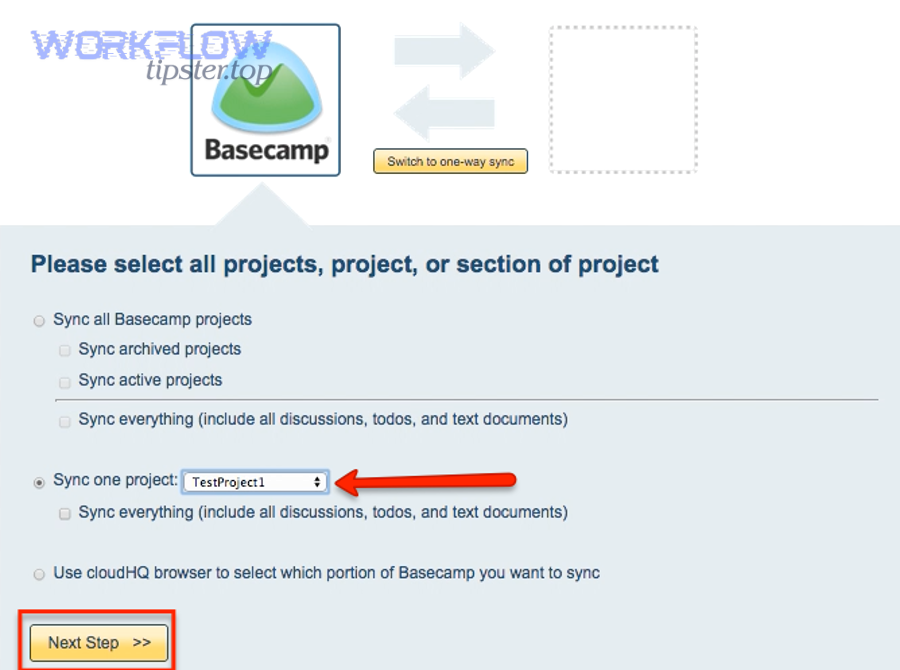
Then, troubleshoot like a pipeline: identify whether the failure is happening at the trigger, the file fetch, the folder routing, or the OneDrive upload stage.
Why do files fail to upload or become empty folders?
Files fail to upload or become empty folders when the automation captures a folder placeholder or a reference link instead of the actual binary file, or when the tool lacks permission to fetch the file contents from Basecamp.
To illustrate, fix it by:
- Confirming your trigger provides a downloadable file URL (not just a Basecamp item link).
- Testing with one small file type (PDF) before testing mixed uploads.
- Ensuring the integration has access to the correct Basecamp project and docs/files tool.
How do you fix permission, token, and OAuth connection errors?
You fix OAuth and token errors by reconnecting accounts with the correct identity (work vs personal Microsoft account), re-authorizing permissions, and removing stale connections that point to old tenants or revoked apps.
Moreover, standardize on one “service identity” for automations so a single employee leaving the company doesn’t break every Basecamp–OneDrive workflow.
How do you handle rate limits, large files, and special characters?
You handle rate limits and large files by throttling workflows, adding retry/backoff, and restricting automated sync to file types and sizes that match your team’s real needs.
Especially important: normalize filenames to avoid special-character issues, and keep paths short to prevent sync clients from choking on deep hierarchies.
How do you troubleshoot duplicates and missing updates?
You troubleshoot duplicates and missing updates by enforcing idempotent rules (don’t re-copy if the file hash/name already exists) and by deciding whether “edits” should create a new version or a new file.
In addition, define one clear policy: either “OneDrive holds versions” (preferred) or “automation creates new dated copies”—but avoid mixing both.
How do you confirm your Basecamp–OneDrive sync is reliable over time?
You confirm reliability by running defined test cases, monitoring failures with alerts, and auditing change trails so you can prove your automation consistently routes the right files to the right place—even months after launch.
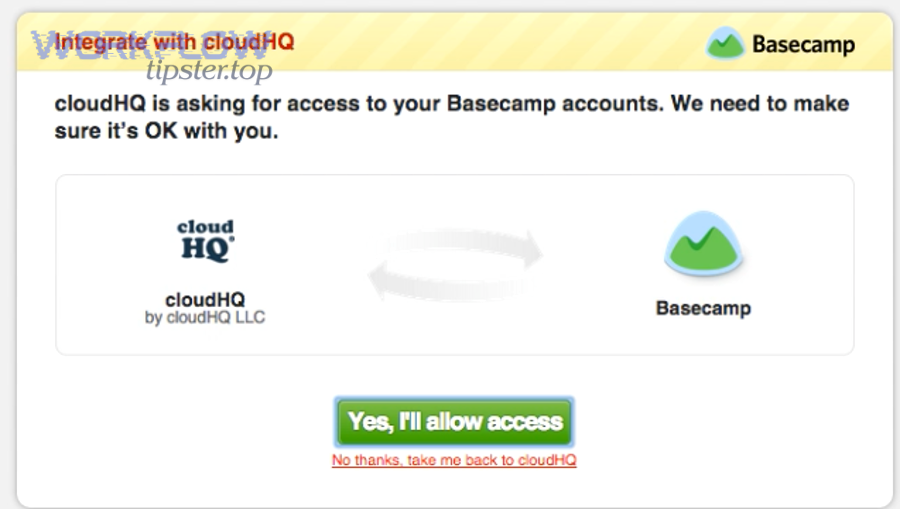
Next, treat this like production ops: the goal is not “it worked once,” but “it keeps working without daily babysitting.”
What test cases should you run before you go live?
You should run test cases that cover normal uploads, edge-case filenames, permissions boundaries, and large-file behavior so you catch failures in a controlled environment, not during a live client delivery.
- Upload a small PDF, a DOCX, and an image file.
- Test a filename with spaces, hyphens, and parentheses.
- Test a guest user’s access (can they view deliverables but not internal drafts?).
- Test deletion and restore (simulate a mistake and recover).
What monitoring and alerting should you enable?
You should enable alerts for failed runs, authentication issues, and unusual spikes in run volume so you detect silent failures before a project deliverable goes missing.
More specifically, configure:
- Failure notifications to email or Teams.
- Weekly reports of synced files (counts by project).
- Connection health checks (token expiration warnings).
How do you audit changes and prove what happened?
You audit changes by keeping a simple operational log that records Basecamp item IDs, timestamps, and resulting OneDrive links—so you can trace every file’s journey without relying on memory or chat history.
According to a study by MIT from the Sloan School of Management, in 2021, research on robotic process automation in enterprise contexts highlighted automation’s role in saving time and improving operational efficiency—reinforcing why auditability matters when you scale automation beyond a pilot. ([dspace.mit.edu](https://dspace.mit.edu/bitstream/handle/1721.1/139202/Wang-Yucun-MSMS-Sloan-2021-thesis.pdf?))
Contextual Border: From here, the article shifts from building the core Basecamp-to-OneDrive workflow to expanding micro-semantics around security, compliance, and when you should intentionally avoid syncing.
How do you design a secure, compliant Basecamp-to-OneDrive workflow for regulated data?
You design a compliant Basecamp-to-OneDrive workflow by limiting what you sync, enforcing least-privilege sharing, and enabling protection layers (versioning, logging, and policy controls) so regulated content stays governed even as collaboration accelerates.
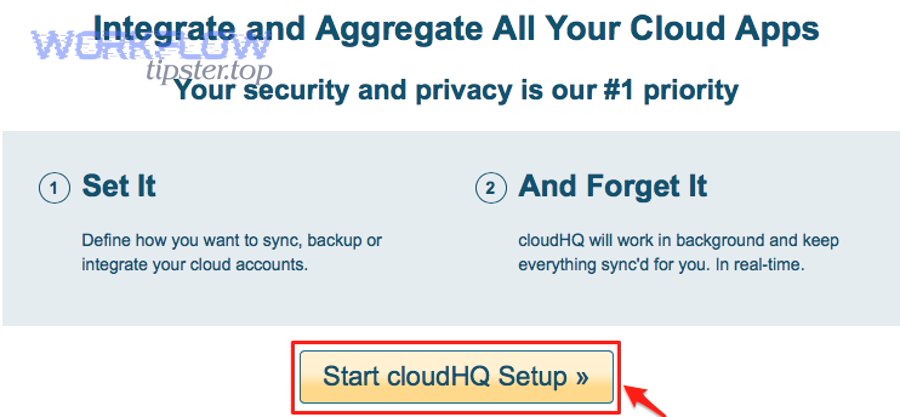
In addition, compliance is about repeatability: a workflow you can explain, document, and review is safer than an ad-hoc process—even if both “work.”
When should you avoid syncing and use links or redaction instead?
You should avoid syncing when the file contains sensitive regulated data, when external sharing risk is high, or when duplication itself creates compliance ambiguity; in these cases, link to a controlled OneDrive location (or share redacted versions) instead.
For example, keep a single controlled file in OneDrive, link it in Basecamp, and restrict export/download where possible—so you reduce “shadow copies” created by automation.
What encryption, DLP, and access logging should you enable?
You should enable encryption-at-rest (default), enforce DLP policies where available, and keep access logging turned on so you can detect unusual activity and document who accessed regulated files.
Moreover, if your organization already uses Microsoft security tooling, align your Basecamp-to-OneDrive workflow with those policies rather than inventing parallel rules.
How do you build a least-privilege policy for external collaborators?
You build least-privilege access by separating internal working folders from external deliverables, granting view-only access by default, and using time-bounded sharing links for vendors or clients whenever appropriate.
Especially for regulated work, keep guests out of “02_Working” and expose only the minimal “03_Deliverables” set.
How do you document and review your automation changes?
You document automation changes by keeping a change log (what changed, why, who approved), reviewing permissions quarterly, and validating that triggers/actions still match your workflow—so your integration remains compliant as teams, tools, and projects evolve.
In short, the safest Basecamp-to-OneDrive system is one you can explain in one page: what syncs, where it goes, who can access it, and how you recover when something goes wrong.